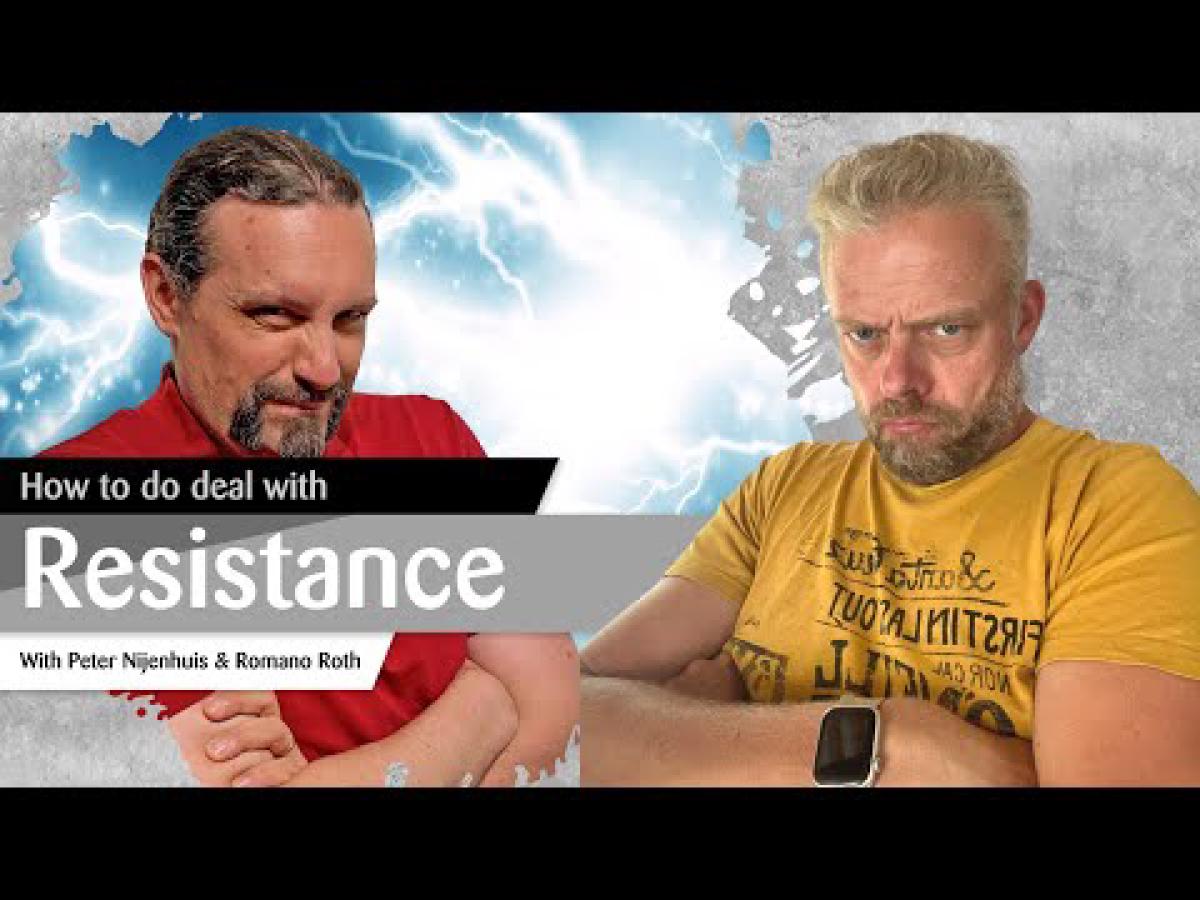
In this podcast episode, I have a conversation with Peyton Einhaus about one of the most challenging aspects of any transformation: dealing with resistance. Whether you are running an agile transformation, a DevOps transformation, or any organizational change, resistance is always present. The question is how you handle it effectively.
Resistance from Managers vs. Team Members#
One of the first questions Peyton asked was whether you need to address resistance differently depending on who it comes from. The answer is absolutely yes.
When dealing with management, the resistance usually comes from concerns about budgeting, strategic alignment, or the potential negative impact on their department. With managers, you need to present facts, figures, and data. You need to argue on the data level.
With team members, the resistance is different. It comes from concerns about workload, skill set, or how the change affects their day-to-day work. There you need much more empathy, clear communication, and you need to show them what the benefits are. The key question for team members is always: “What is in it for me?”
Identifying the Root Cause#
Being transparent and having open communication alone does not eliminate resistance. You need to invest significant time in identifying the actual cause. If someone is afraid of losing their job, that requires a completely different approach than someone who fears losing control or simply lacks understanding.
One method I use is a trade-off analysis. I show the options: stay where you are, join the journey of change, or move to a different department or company. Then we go through criteria together and evaluate what the best option is for that person. It sounds straightforward, but having this structured conversation can be very powerful.
Adapting Your Communication Style#
There is a framework where you categorize people with colors. Red people are tough and direct. Blue people are very analytical and need numbers, data, and facts. Yellow people are more emotional. Most people are a combination.
When you know you will face resistance, preparation is essential. I learned this the hard way. Going into a meeting unprepared when you know resistance is coming can be dangerous. You need to have your arguments ready, research the people you are meeting, understand their personality type, and then adapt your tone accordingly.
“Always prepare for a meeting. Especially when you know you will face resistance, have your arguments ready and understand the people you are talking to.”
Peyton added an excellent point about the Rose of Leary framework. When facing a dominant person, you should first please their ego before gently asking for help. With analytical people, provide examples and metrics. With emotional people, address their feelings first and show empathy before making your request.
The Four Essential Skills#
For anyone working in agile coaching, scrum mastering, or DevOps consulting, there are four skills essential for dealing with resistance:
Active listening: This is the most important communication skill. In my early career, I talked too much and did not listen enough. You need to truly hear and understand the other person’s perspective, emotions, and challenges.
Negotiation and persuasion: This is a tough skill. Hard negotiations are difficult, and I openly admit it is not my strongest area. But it is critical for transformation work.
Emotional intelligence: You need to control your own emotions. When someone gets very emotional because they fear losing their job, you must keep your composure and respond constructively.
Problem solving: You need to flexibly adapt to new challenges, understand different viewpoints, and find good solutions for difficult situations.
Training Emotional Intelligence#
Emotional intelligence is one of the hardest skills to train. Unlike active listening or negotiation, which you can learn through practice, emotional intelligence feels more like a trait than a skill.
Two things have helped me the most. First, meditation. I meditate daily or at least weekly. It calms me down and, importantly, helps me control my breathing. Controlled breathing calms your emotions, and meditation is an excellent technique to train that.
Second, sleep. Sleep eight hours every night. When you sleep less, you have a very thin skin, as we say. You become emotional because you are tired and exhausted. Proper sleep is the foundation for emotional regulation.
“Sleep eight hours every night. When you sleep less, you have very thin skin and get emotional easily because you are tired and exhausted.”
The Top Five Causes of Resistance#
From my experience, these are the top five causes of resistance in transformations:
Fear of change: People have their comfort zone and are happy where they are. Every change means stepping out of that zone.
Lack of understanding: Not understanding what the change is about or why it is needed. As leaders, we must communicate the “why” clearly.
Fear of losing the job: People worry they are not good enough for the new setting or that their role will disappear.
Negative past experience: Many people have been through multiple changes that were only half-completed or failed entirely. They simply do not believe in change anymore.
Lack of involvement: When change is dictated from the top without involving the people who are affected, resistance is guaranteed.
Leaders Must Lead by Example#
Peyton raised an important sixth point: leaders must lead by example. Many managers say the teams need to change, but they do not account for the impact of their own behaviors on the transformation. If you want a successful change and want to deal with resistance effectively, leaders need to embody the change themselves.
I always say: leaders need to go first. They need to lead the change and embody it. Steve Ballmer once said “developers, developers, developers.” I usually say “leaders, leaders, leaders.” Leadership is the most important thing when it comes to transformation.
Key Takeaways#
- Differentiate your approach. Resistance from managers requires data and facts. Resistance from team members requires empathy and clear benefits.
- Find the root cause. Surface-level transparency is not enough. Invest time in understanding why someone resists.
- Prepare for difficult conversations. Know who you are talking to, adapt your communication style, and have your arguments ready.
- Develop active listening. Hear and understand before responding.
- Invest in emotional intelligence. Meditation, breathing techniques, and proper sleep are your foundations.
- Leaders must go first. Without leadership embodying the change, no transformation will succeed.