Digital and agile was yesterday # Many companies believe they can secure their future with a dash of agility and rapid AI pilot projects. But those who simply “graft” artificial intelligence onto outdated structures will fail. A radical upgrade of the operating model is needed.
Does AI really solve the problems we have? What does it mean for innovation and intellectual property? Will AI replace patent analysts? In this webinar with IamIP, I cut through the fog of AI hype and share a practical framework for understanding where AI genuinely adds value, and where it falls short.
How much agility can software development really handle, and where does agility tip into chaos? In this episode of the “Modern Work 2 Go” podcast (in German), I speak with Florian Schneider about exactly these questions. We dive deep into a concrete real-world example: an agile transformation at a Swiss bank that I accompanied over eight years. The conversation covers the shift from waterfall to agility, scaling with SAFe, building value streams, and why continuous improvement is the central pillar of every transformation.
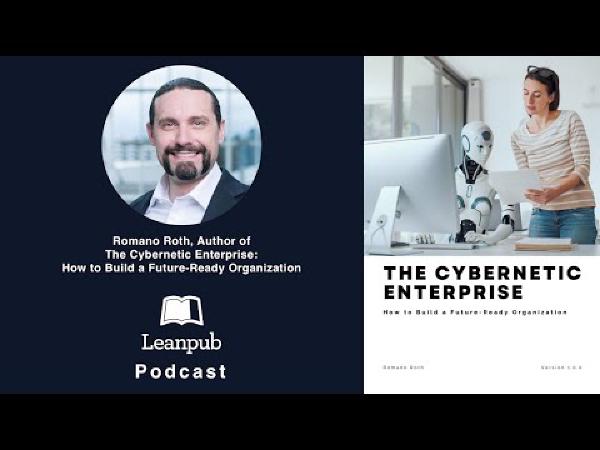
The Cybernetic Enterprise: How to Build a Future-Ready Organization is your comprehensive operating system for navigating the next era of business transformation.
Welcome to the Leanpub Launch video for The Cybernetic Enterprise Course: How to Build a Future-Ready Organization by Romano Roth
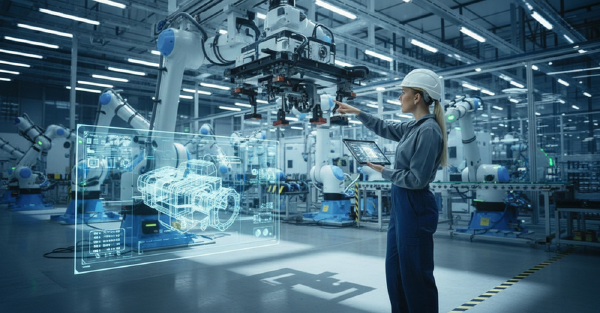
When people, machines, and algorithms work as a “team,” more than automation emerges: a learning and resilient factory. But how can industrial companies make the leap into the AI era without losing their human element?
Everyone talks about Industrial AI, but where’s the impact at scale? Too many companies are stuck in pilot purgatory, with fragmented tools and limited results. In this article, we show how cybernetic thinking can break the PoC loop and scale AI across your organisation for real business impact.
In this LeanPub podcast episode, host Len Epp and I have a deep conversation about my book “The Cybernetic Enterprise: How to Build a Future-Ready Organization.” We cover everything from my career journey at Zühlke, to why the future is cybernetic rather than just AI, to the practical steps of enterprise transformation. If you have ever wondered what it takes to build an organization that can continuously adapt, this conversation covers the essential ideas.
Original publication: DIGITAL MANUFACTURING
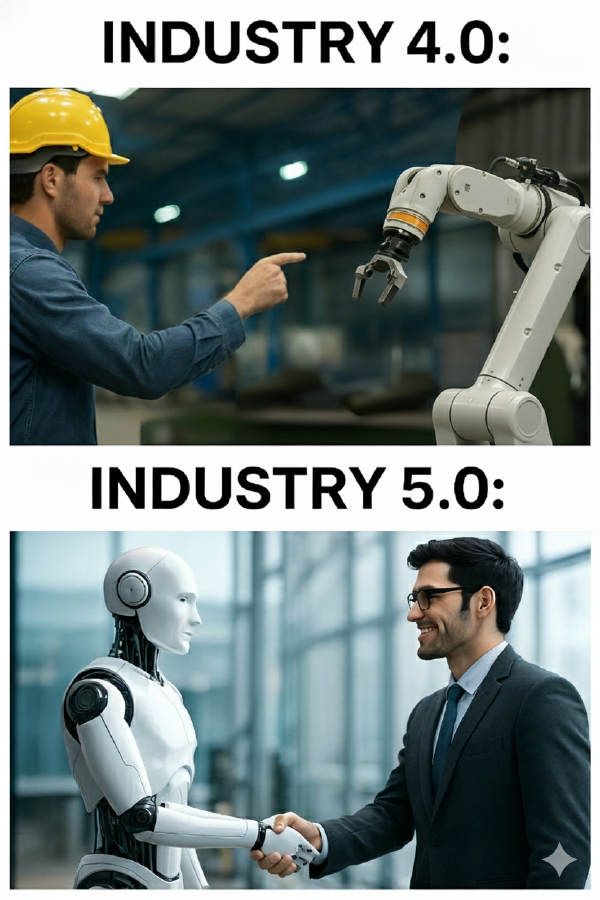
The industrial success story is opening its next chapter. Some call it Industry 5.0, although it’s more than just an upgrade of Industry 4.0: Here, people, sustainability, and resilience are moving to the center of operations. Artificial intelligence is transforming production facilities, roles, and decision-making processes. Human intuition meets machine precision, merging into hybrid value creation. The entrepreneurial operating model of the future, the “Cybernetic Enterprise,” shows how this collaboration can work.
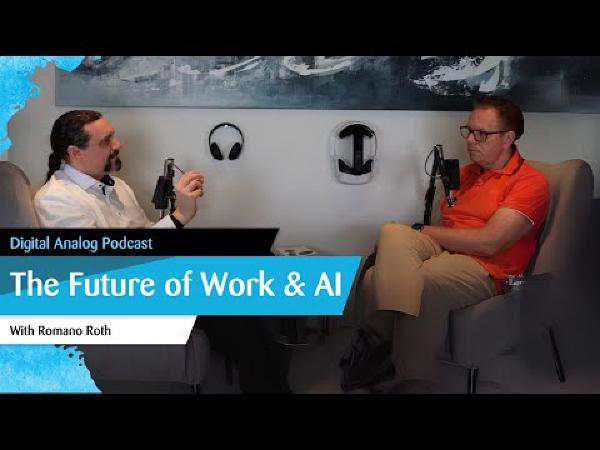
I recently joined the Digital Analog Podcast to talk about what it really means when humans and machines work together. As the Chief of Cybernetic Transformation and Partner at Zühlke, I deal with these questions every day. In this conversation, we covered everything from the biggest obstacles in digital transformation to why AI agents could change the way we collaborate, and why simplicity should be every organization’s guiding principle.
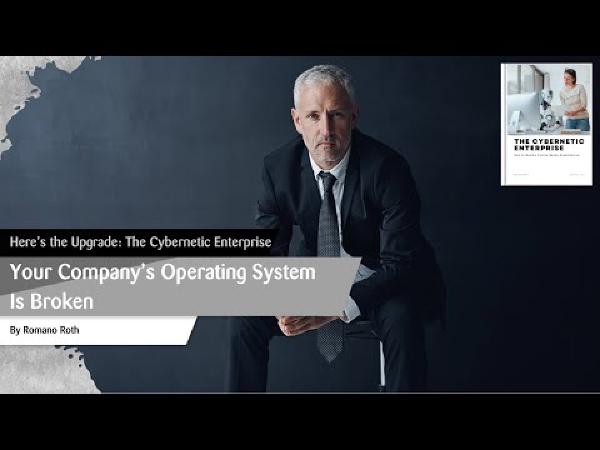
You know that feeling when your company just feels slow? Always lagging, always crashing, not built for the modern world? What if that is not just a feeling? What if your organization is literally running on an outdated operating system? In this video, we explore the concept of the Cybernetic Enterprise and why it represents a fundamental upgrade for how businesses operate.
The digital landscape today feels less like a steady path and more like white water rapids. Constant change, new technologies, and relentless pressure to adapt. In this deep dive, two hosts explore my book “Cybernetic Enterprise V1.0.0” and unpack why traditional digital transformations keep failing, and what the alternative looks like: a holistic new operating model where adaptability becomes the organization’s default state.
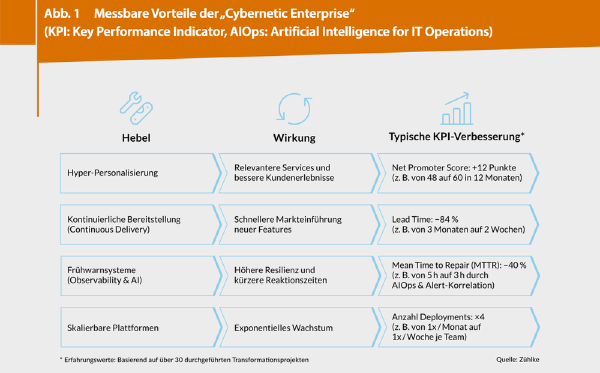
You automated processes, optimized technology, and drove massive change dynamics over the past two decades: digitalization. But in a world where artificial intelligence (AI) is becoming a constant sparring partner, it is reaching its limits. Too often, it stops at isolated optimizations and fails to address systemic challenges. What companies now need is a mental upgrade to a new “operating system.” The organization of the future must be continuously learning, relentlessly data-driven, and uncompromisingly customer-centric. The journey there is strategic. The “Cybernetic Transformation” starts now.