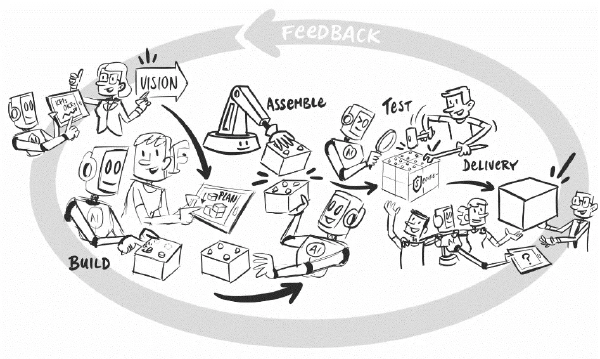
“Hey colleague!” Soon, this could be how we greet the person at the next desk, while at the same time addressing an AI system. In the future, Artificial Intelligence (AI) will no longer be just a technical tool, but an active team member. In four integration phases, ranging from assistance to co-creation, moderation, and ultimately high autonomy under human oversight, it will grow steadily and naturally into value streams, meetings, and decision-making processes. The organization of the future understands AI as part of its nervous system: continuously learning and permanently feedback-driven. Welcome to the era of Cybernetic Transformation.
DevOps in Switzerland has reached a tipping point. Once a grassroots movement, it is now a strategic lever for digital resilience, efficiency, and innovation. The DevOps in Switzerland Report 2025, jointly produced by Zühlke and VSHN, presents clear signals of this transformation. Drawing from 184 survey responses, the sixth edition of the report reveals how Swiss organizations are not just adopting DevOps, but scaling it through platform engineering and augmenting it with AI.
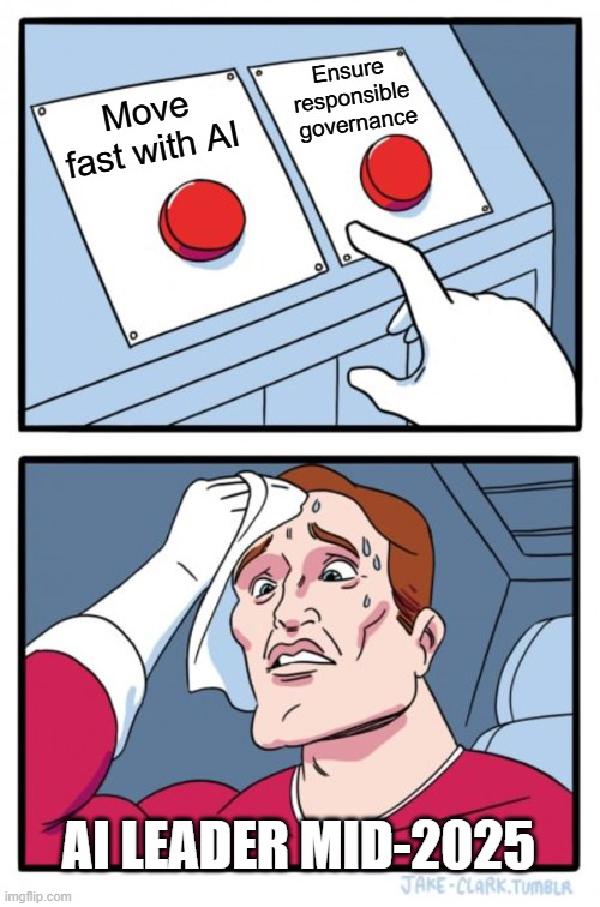
AI is scaling fast, but without the right governance, ambition can outpace control. In this article, we explore how smart, streamlined oversight turns governance from a blocker into a catalyst for enterprise-wide success.
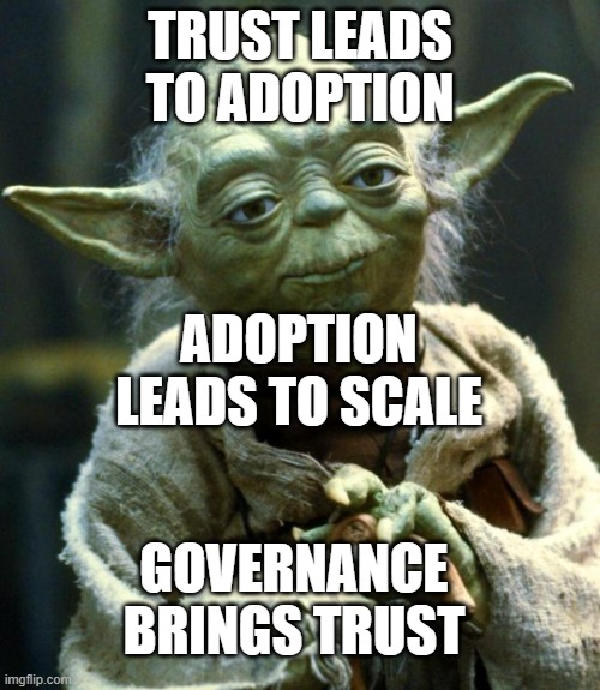
As AI adoption accelerates, many organisations find themselves unable to scale. The solution? Embedding governance from the outset. By integrating compliance, transparency, and accountability into the core of AI initiatives, leaders can transform governance into a catalyst for innovation, trust, and sustainable growth.
From Christoph Gulden
Welcome to Thought Leaders Talk, a podcast-style daily newsletter where bold minds meet real questions. In each episode, we talk with a guest who doesn’t just follow ideas, they shape them. No nonsense. No posturing. Just clear, original thinking on what truly matters.
AI is everywhere, but clarity, strategy, and real impact are often left by the wayside. We live in the era of what Romano Roth has dubbed ‘AI idiots’, an era of flashy demos rather than genuine long-term value. But a smarter way forward is possible. Discover the Cybernetic Enterprise and the business value it offers for industrial organisations.
“AI won’t fix your broken processes. DevOps won’t save your business. But Cybernetics might.”
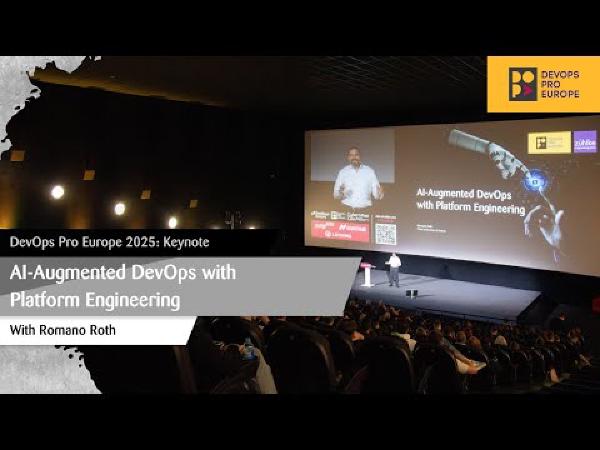
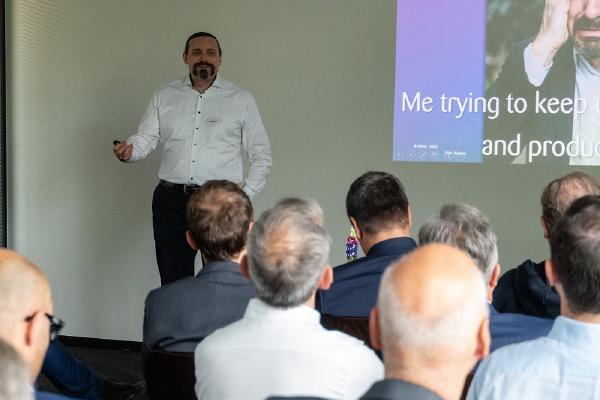
At DevOps Pro Europe 2025 in Vilnius, I had the privilege of delivering the opening keynote to a packed hall of engineers, architects, and leaders navigating the ever-accelerating evolution of enterprise technology. My message was direct:
Romano Roth is Chief of Cybernetic Transformation at Zühlke and is deeply engaged with the impact of AI on organizations, technology, and culture. In this guest article, he explores how AI is affecting professionals, especially in the coding space.
How can we reduce costs, develop faster, and become more efficient? In this presentation, I walk through the core concepts of the Cybernetic Enterprise and show how organizations can continuously deliver value by combining value stream analysis, platform engineering, and AI.
Why AI Alone Doesn’t Replace Strategy # Artificial Intelligence is the central topic in the industrial sector, too. But to gain real competitive advantages through and with AI, companies must not blindly follow the hype. An “AI-First” label guarantees neither innovation nor future viability. Only those who combine people, technology, and organization in a learning system, the Cybernetic Enterprise, will be successful in the long run.
Keynote at the CTO Forum of the Rudolf-Diesel-Medaille. Hosted by Zühlke, Munich
We Are Living in the AI Hype Era # AI is dominating headlines. From natural language interfaces to automated code generation, the pace of development is relentless. But alongside this excitement, we are seeing inflated promises, rushed implementations, and disappointing returns.
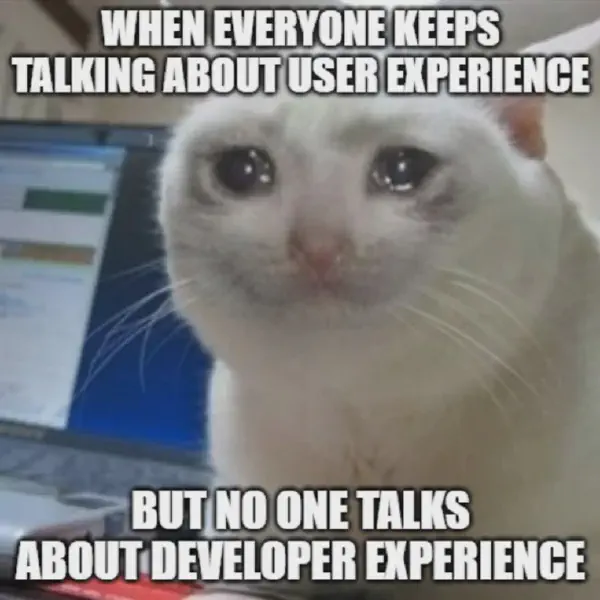
Romano Roth advocates the importance of companies focusing on the developer experience and enabling developers to concentrate on creating business value.