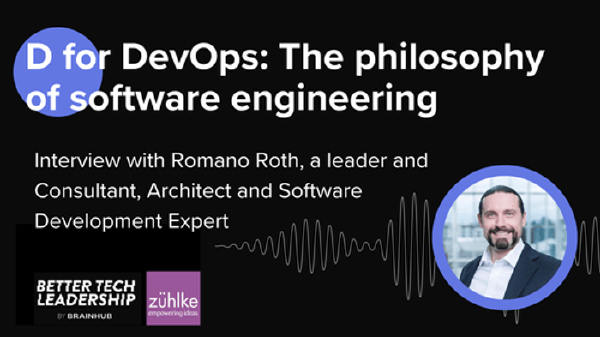
I had the honor of being interviewed by 📈 Matt Warcholinski 💾 from Brainhub in his 𝐏𝐨𝐝𝐜𝐚𝐬𝐭🎙️ on 𝐁𝐞𝐭𝐭𝐞𝐫 𝐓𝐞𝐜𝐡 𝐋𝐞𝐚𝐝𝐞𝐫𝐬𝐡𝐢𝐩.
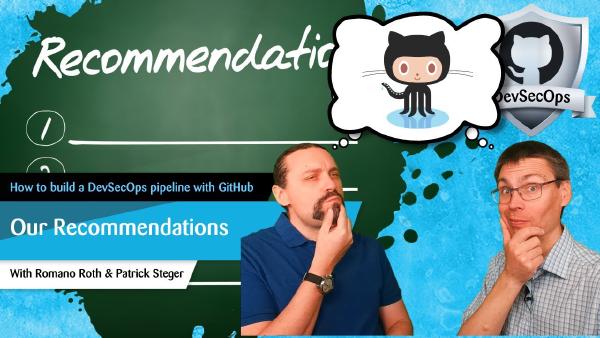
After eleven sessions building a full DevSecOps pipeline with GitHub — covering Software Composition Analysis, License Compliance, SAST, Container Scanning, Secret Detection, DAST, Pull Requests, Scheduled Pipelines, and Vulnerability Management — Patrick Steger and I close the series with our recommendations. What works on GitHub, where the gaps are, and what we would tell anyone setting out to build the same pipeline.
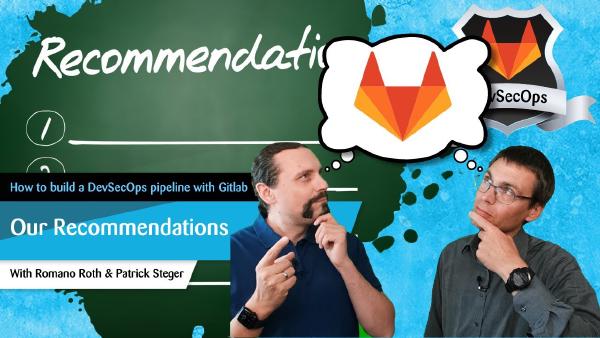
After eleven sessions building a full DevSecOps pipeline with GitLab — from Software Composition Analysis to Container Scanning, SAST, Secret Detection, DAST, merge request integration, and scheduled pipelines — Patrick Steger and I close the series with our recommendations. What worked, what tripped us up, and what we would tell anyone setting out to build the same pipeline today.
At first glance, a DevOps transformation seems to be a major undertaking for any company. But with the right approach, you can keep the process lean and agile.
Insight in brief # Start small with a small to medium sized project or product. Select the right people to ensure sufficient credibility and influence. Continuous improvement is key to success.
My chapter from the book: Machines, Code, People: 50 things Zühlke engineers are passionate about