After we finished the GitLab DevSecOps series, Patrick changed jobs — and his new team is on GitHub. The problem is the same: no security checks during development. The platform is different. In Part 1 of our GitHub DevSecOps series, we cover what GitHub is, the CI/CD vocabulary you have to share before any pipeline conversation works, and the shape of the DevSecOps pipeline we will build over the next sessions.
I was invited to deliver the keynote at the Baloise OpenX Day, an internal conference where Baloise brings together their technology community. The session combined impulse presentations with interactive discussions, giving me the chance to share DevOps fundamentals and then hear directly from the teams about their real challenges. The conversations with the Baloise engineers were incredibly valuable, especially around topics like continuous deployment in regulated industries and the role of platform engineering.
DevOps is far more than automation or tooling: it is the interplay of people, processes, and technology to develop products faster, more reliably, and more customer-focused.
What This Talk Covers # This talk shows why companies must shift from project-oriented thinking to product-centric working, how a Continuous Delivery Pipeline works as the backbone of modern product development, and why quality, testing, and operability must be considered from the start.
In this conference talk, I discuss one of the most fundamental topics in DevOps: thinking in systems and value streams. When I work with companies on their DevOps transformations, I consistently see the same patterns. The business has bright ideas. They write them into Word documents and Jira tickets. They throw them over a wall of confusion to development. Development builds something and throws it to testing. Testing compares what was specified with what was built (never quite the same), tests something, and throws it to operations. Operations asks “How can we operate that?” and somehow, with great effort, they get it running. Then the customer sees it and says: “What is that? That is not what we ordered.”
Why does security still get bolted on at the end of the development process, and how do we move it earlier without slowing teams down? In Part 1 of our GitLab DevSecOps series, Patrick Steger and I set the stage: what GitLab is, what shifting security left really means, and which CI/CD concepts you have to understand before you can build a DevSecOps pipeline that actually works.
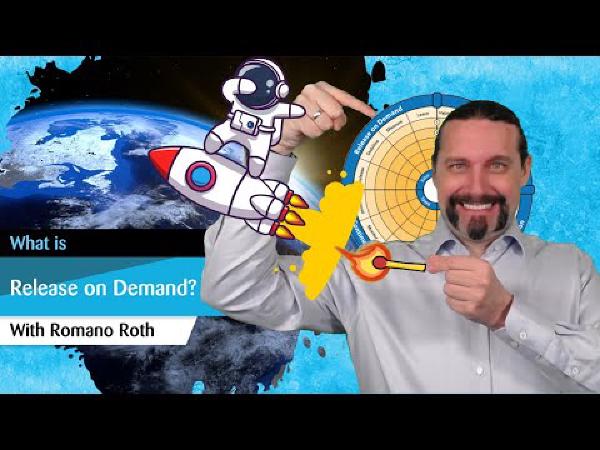
Release on Demand is the final step in the SAFe for DevOps continuous delivery pipeline, and it is the step that ties everything together. In this video, I walk through how Release on Demand works, why separating deployment from release is so powerful, and how the whole pipeline enables organizations to build the right thing right.
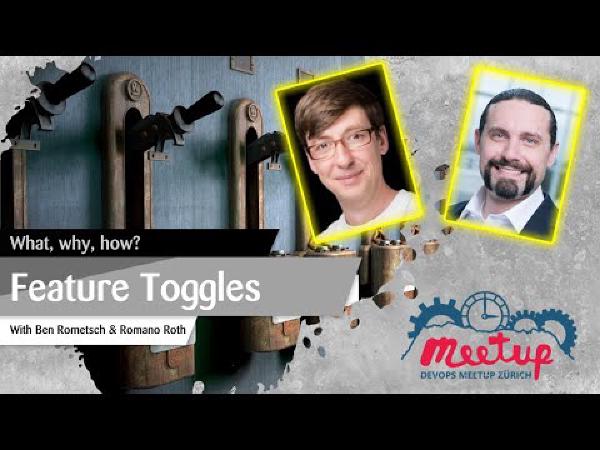
Feature toggles are one of those concepts that sound simple on the surface but unlock enormous power in practice. In this DevOps Meetup Zurich session, I team up with Ben Rometsch, founder of Flagsmith, to explain the what, why, and how of feature toggles. We cover the foundational concepts of CI/CD that make feature toggles necessary, the difference between deployment and release, and how modern feature flagging platforms enable progressive rollouts, user segmentation, and A/B testing.
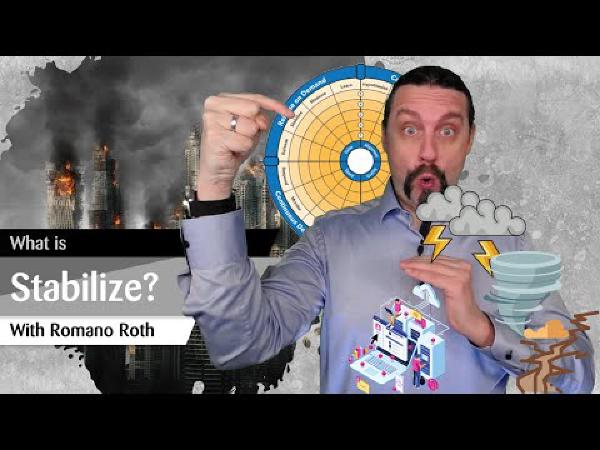
After we release a new feature to our users, we need to make sure everything runs smoothly. Stabilize is the SAFe DevOps Health Radar activity that focuses on maintaining a high level of business continuity so we can continuously deliver value to our customers. In this video, I walk through what Stabilize involves and why it is essential for a stable, resilient production environment.
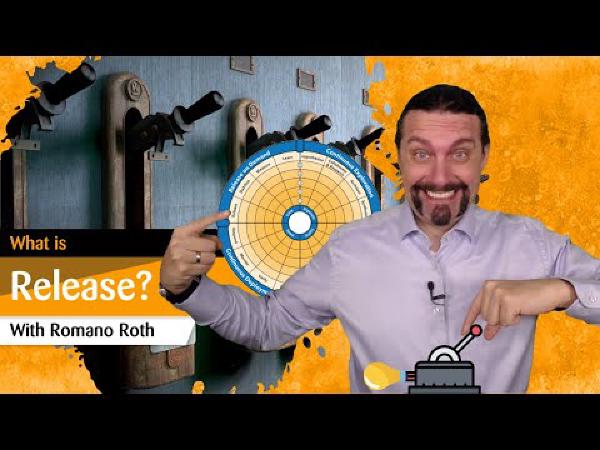
Release is one of the final steps in the SAFe for DevOps Health Radar. At this point, the new functionality is already deployed to production and verified. Now it is time to make the new functionality available to a small group of users or to all users. In this video, I walk through what the Release step involves and why it is a crucial business decision.
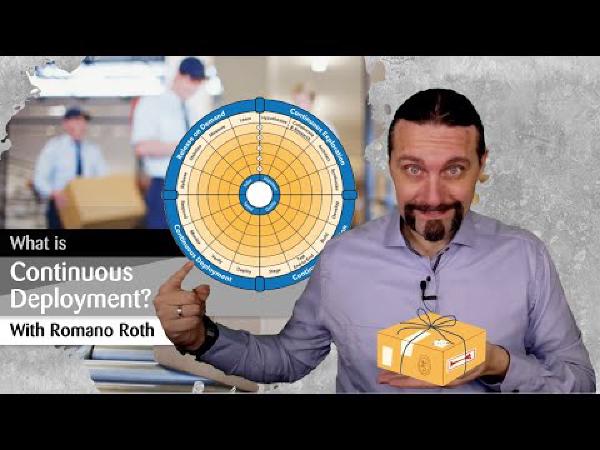
In this article, I explain what Continuous Deployment is within the SAFe® DevOps Health Radar and why it is essential for delivering value quickly and safely. Please note that everything discussed here is under the license of Scaled Agile, and that the Scaled Agile Framework is a framework to be used as a toolbox. Take out of this toolbox what fits your needs and what solves your problems.
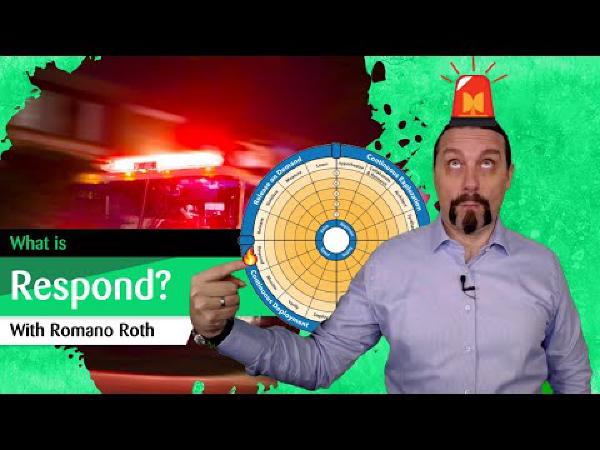
How do you proactively detect and fix production issues before they cause a business disruption? Respond is the SAFe DevOps Health Radar activity that answers exactly this question. In this video, I walk through what Respond involves and why it is essential for maintaining a stable production environment.
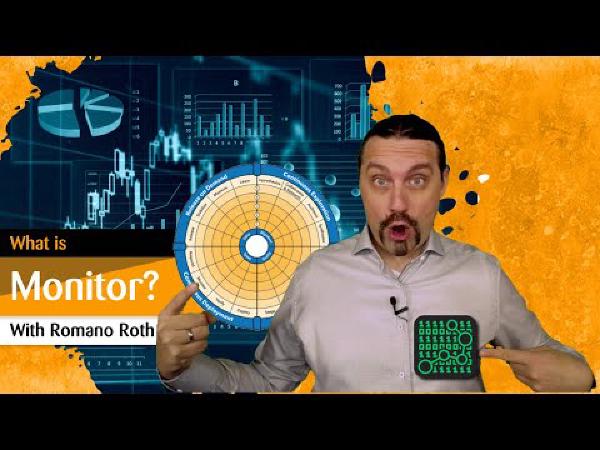
Once our features are deployed and verified in production, we need to keep a close eye on how they perform. Monitor is the SAFe DevOps Health Radar activity that focuses on tracking system performance, end-user behavior, incidents, and business value. In this video, I walk through what monitoring involves and why it is essential for making the right decisions about your features.