A dark factory is a factory where you can switch the lights off, because nobody is standing on the floor anymore. In China, phones are already built that way. In episode 8 of Prompt & Proper, Steffen Ochsenreither from Swiss Post and I take that concept and put it on software development: goal in, finished software out, no human in between. The episode is in German, and this post captures the core of the conversation.
The CEOs of the big AI companies never tire of claiming that AI will wipe out up to 40 percent of all jobs. The headline works. School leavers ask Steffen whether a tech degree is still worth starting, and a German university has gone as far as advising against studying computer science.
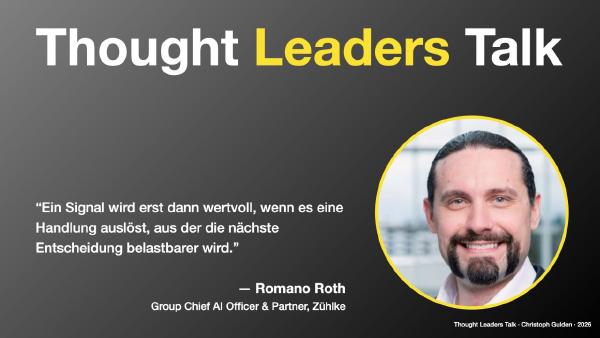
Christoph Gulden invited me onto his Thought Leaders Talk. Christoph reviews investment decisions for a living, I guide companies through technology waves. What came out of it is an argument about the 90 percent of AI pilots that never reach production, and what that means for the next investment decision. At one point Christoph contradicts me openly, and he is right to. The dialogue below is the one we worked out together. The original appeared in German on LinkedIn; this is my English version.
I joined Lisa Stähli on the Hello 50:50 World podcast, the show with the mission to make tech more humane, for a conversation about what actually happens when software teams add AI to the way they work. We talked about how AI is reshaping software engineering, DevOps and agile ways of working, where the real bottlenecks sit, the human cost of moving faster, and why the organisation you build around the technology is what decides whether AI helps or hurts.
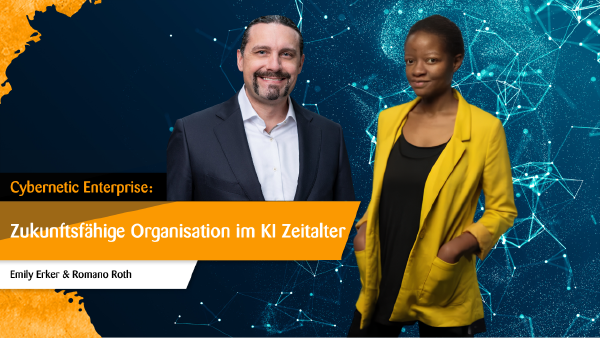
I joined Emily Erker on her show Lady Sunshine Live for a German-language conversation about building future-ready organisations through what I call a cybernetic enterprise: the integration of people, processes, technology, and AI in continuous feedback loops. The full video is embedded below; what follows is my English summary of the key ideas we covered.
I am honored to share that I have been named a Digital Shaper 2026 in the Mentors category. The Digital Shapers initiative, organized by BILANZ, Handelszeitung, and digitalswitzerland with the support of Huawei, recognizes 100 of Switzerland’s most influential digital minds each year across ten categories.
Most companies that work in an agile way today while simultaneously trying to implement AI will not survive the next decade, in my opinion. The reason: their operating system is too old. The future is not agile. The future is not AI either. The future is cybernetic.
How much agility can software development really handle, and where does agility tip into chaos? In this episode of the “Modern Work 2 Go” podcast (in German), I speak with Florian Schneider about exactly these questions. We dive deep into a concrete real-world example: an agile transformation at a Swiss bank that I accompanied over eight years. The conversation covers the shift from waterfall to agility, scaling with SAFe, building value streams, and why continuous improvement is the central pillar of every transformation.
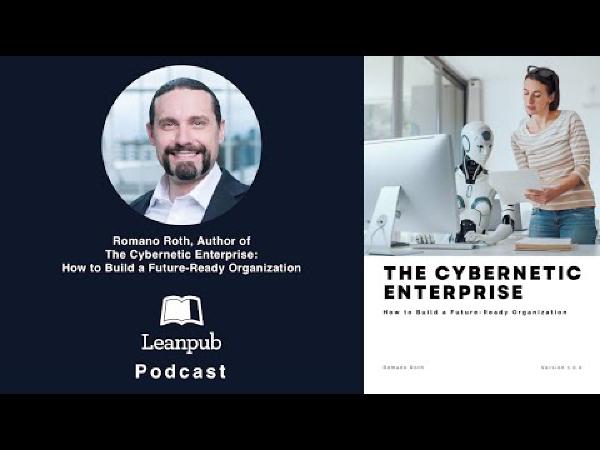
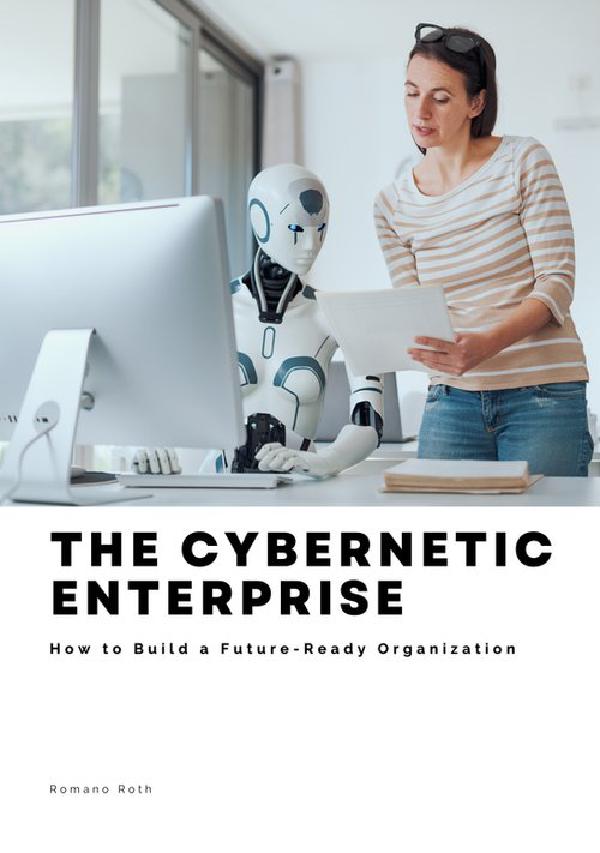
In this LeanPub podcast episode, host Len Epp and I have a deep conversation about my book “The Cybernetic Enterprise: How to Build a Future-Ready Organization.” We cover everything from my career journey at Zühlke, to why the future is cybernetic rather than just AI, to the practical steps of enterprise transformation. If you have ever wondered what it takes to build an organization that can continuously adapt, this conversation covers the essential ideas.
A reference volume rather than a narrative. The Cybernetic Enterprise stands on eight fields: cybernetics, systems thinking, lean and flow, agile, architecture, product and innovation, AI, and DevOps. Each has decades of practice behind it, each has its own literature, and each answers only part of the question.
Most organizations still run on an operating system built for stability. Plan the year, cascade the plan, report back up. That holds as long as the ground does.
The Cybernetic Enterprise describes what takes its place: an organization that senses what is happening, decides close to the work, and adapts continuously. Feedback loops are the load-bearing structure. AI sits inside those loops instead of being bolted onto the side of the org chart.
In today’s rapidly evolving landscape, businesses are constantly confronted with changing customer needs, increased competition, and a significant shortage of skilled workers. Agility and speed are no longer optional, they are critical to survival.