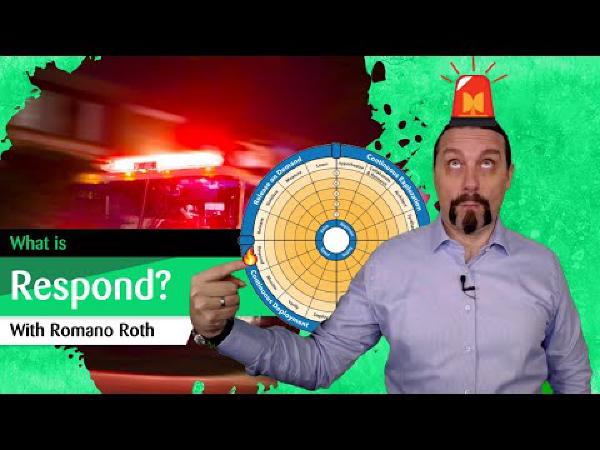
How do you proactively detect and fix production issues before they cause a business disruption? Respond is the SAFe DevOps Health Radar activity that answers exactly this question. In this video, I walk through what Respond involves and why it is essential for maintaining a stable production environment.
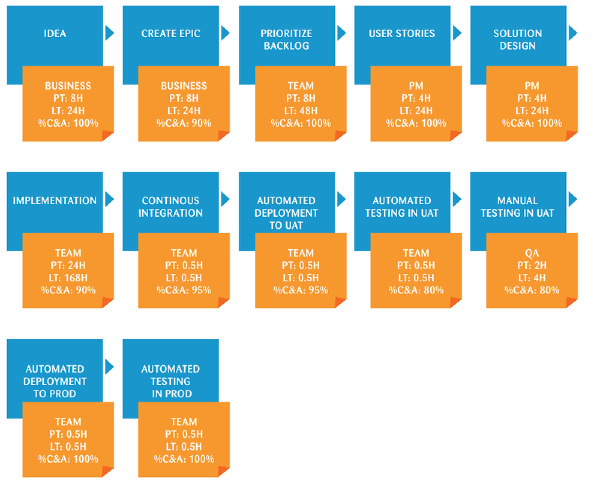
Value stream mapping is a lean management method for improving the flow of value from idea to production. It offers insight into the efficiency of an organisation and can help to identify bottlenecks and improve value flow. The primary goal is to eliminate any waste.
A year ago I called DevSecOps, continuous delivery, cloud and AIOps as the trends for 2021. Most of those landed. For 2022 the picture gets more interesting because DevOps is no longer a single wave — different parts of the market are at very different stages of adoption. To make sense of that, I map the 2022 trends onto the technology adoption lifecycle: late majority, early majority and early adopters.
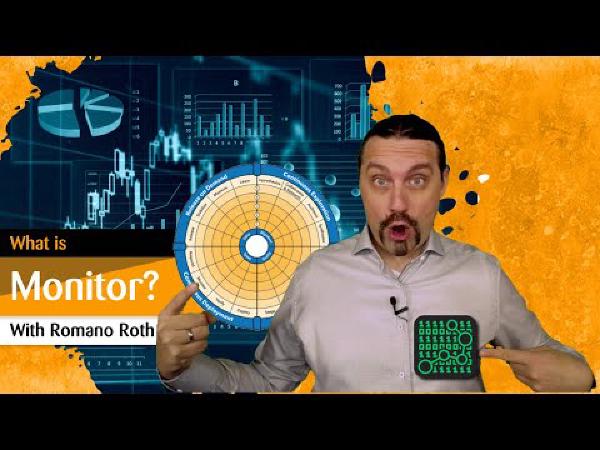
Once our features are deployed and verified in production, we need to keep a close eye on how they perform. Monitor is the SAFe DevOps Health Radar activity that focuses on tracking system performance, end-user behavior, incidents, and business value. In this video, I walk through what monitoring involves and why it is essential for making the right decisions about your features.
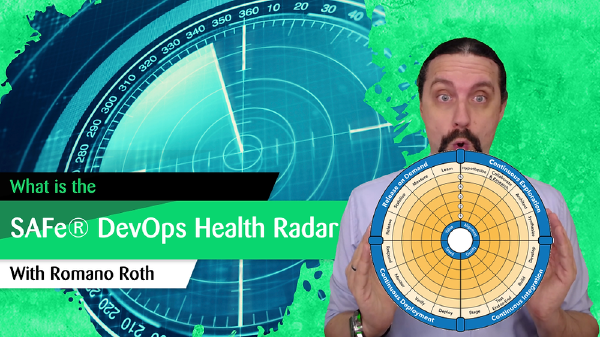
In this article, we will explore what exactly SAFe® DevOps is for health radar and what can you use it for.
Verify is a critical step in the SAFe for DevOps Health Radar. After deploying our package into the production environment, we need to confirm that the new functionality works correctly and does not negatively affect the integrity or robustness of the existing system. Only after this verification is complete can we confidently release the new features to end-users. In this video, I walk through what the Verify step involves and how it fits into the overall continuous delivery pipeline.
Is DevOps really the reason why testing and quality assurance (QA) employees are being increasingly automated out of a job? Pia Wiedermayer, Head of QA, and Romano Roth, Head of DevOps, discuss different ways to incorporate the wealth of experience of testing and QA specialists into the agile team culture.
Deploy is a critical step in the SAFe for DevOps Health Radar. After we have built a deployable package and tested it in a staging environment, we now want to continuously deploy our changes into the production environment. The goal is to deploy with high frequency and low risk. In this video, I explain how we achieve this and what practices enable continuous deployment.
This is the English-language version of our talk on participatory budgeting at Zühlke. Nadine Broghammer and I describe how we coached a portfolio team through a participatory budgeting (PB) event based on SAFe, and how the value stream leads collectively allocated the budget for the second half of the year. A separate post covers the German version of the same talk.
Stage is the step in the SAFe for DevOps Health Radar where we perform the final validation before going to production. In the staging environment, we run user acceptance tests, conduct system demos for our stakeholders, and verify that everything is truly production-ready. In this video, I walk through what the Stage step involves and why it is essential for a reliable delivery pipeline.
In this article, I explain what Test End to End means within the SAFe® DevOps Health Radar and why it is essential for delivering high-quality software. Please note that everything discussed here is under the license of Scaled Agile, and that the Scaled Agile Framework is a framework to be used as a toolbox. Take out what fits your needs or what solves your problem.
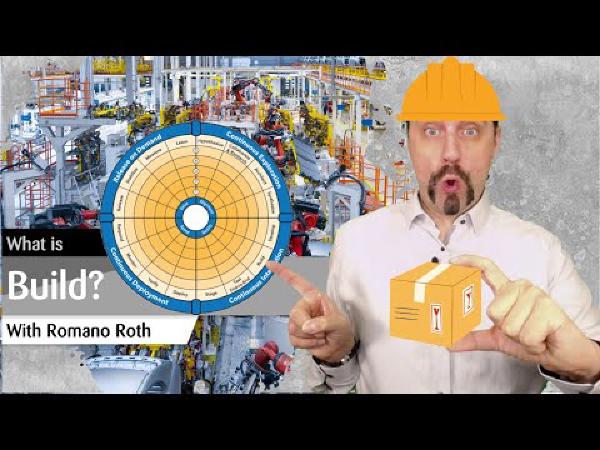
Build is the step in the SAFe for DevOps Health Radar where committed code is continuously integrated, tested, and turned into a deployable artifact with built-in quality. In this video, I walk through what the Build step involves, why continuous integration matters, and how techniques like gated commits and static security analysis help you maintain quality at speed.