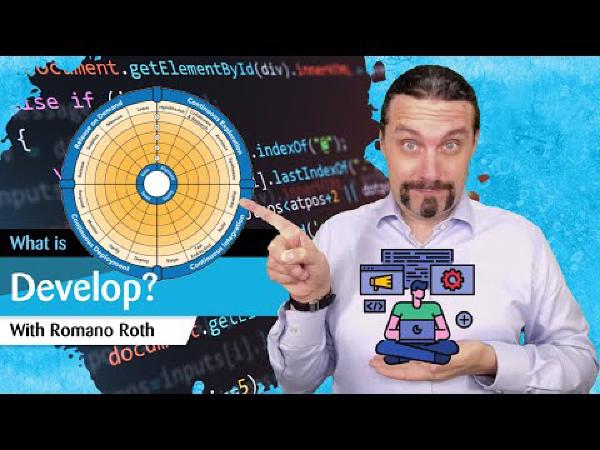
In the SAFe DevOps Health Radar, Develop is where we take the features from continuous exploration and turn them into working code. We split features into user stories, implement them with a strong focus on built-in quality, and commit everything to version control. In this video, I walk through the Develop step and explain why quality practices like TDD and BDD are so important.
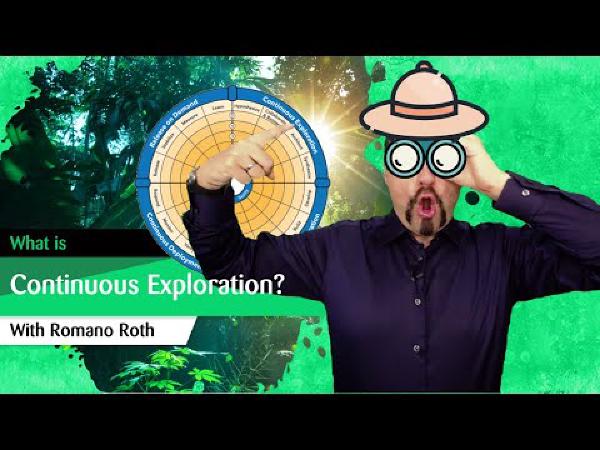
In this article, I explain what Continuous Exploration is within the SAFe DevOps Health Radar and why it is essential for building the right thing in the right way. Please note that everything discussed here is under the license of Scaled Agile, and that the Scaled Agile Framework is a framework to be used as a toolbox. Take out of this toolbox what fits your needs and what solves your problems.
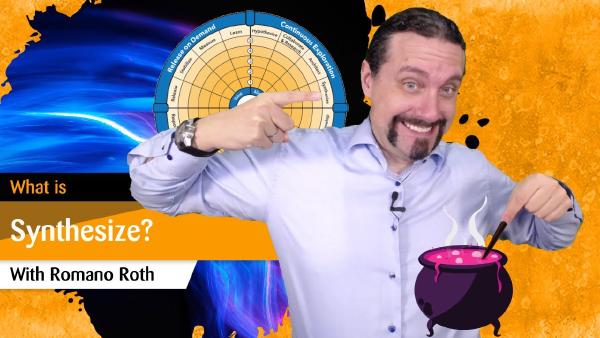
In this video, I explain what Synthesize is and how it works within the SAFe DevOps Health Radar. Synthesize is the fourth and final step of Continuous Exploration, where we combine the outputs of Hypothesize, Collaborate and Research, and Architect into a prioritized backlog with a clear vision and roadmap.
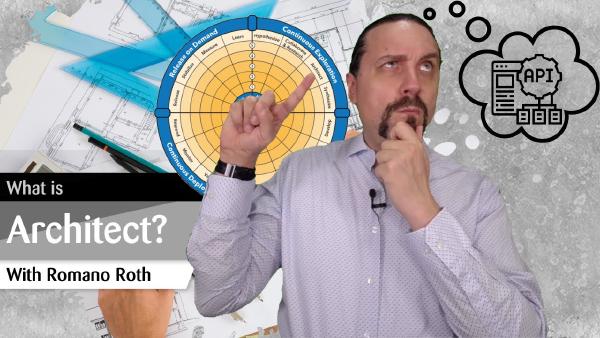
Architect is the third step in the SAFe DevOps Health Radar, part of Continuous Exploration. In this video, I explain how we define the minimal architecture needed to prove a hypothesis and enable continuous delivery of value to customers.
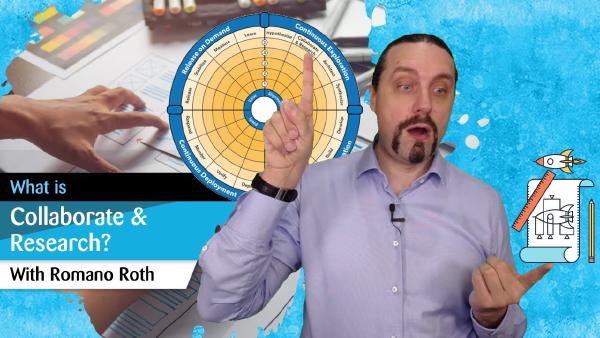
Collaborate & Research is the second step in the SAFe DevOps Health Radar. In this video, I explain how teams collaborate internally and conduct market research to define a minimal feature set that validates the hypothesis from the previous step.
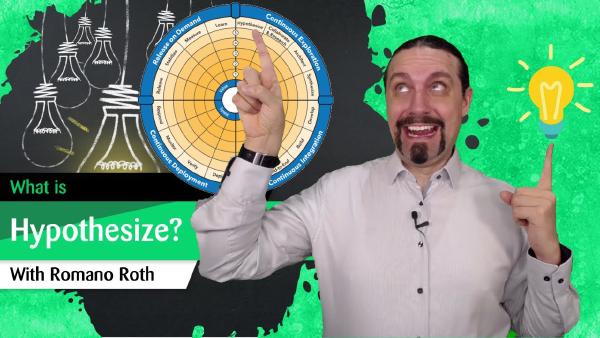
In this video, I take a deep dive into Hypothesize, the first process step of the SAFe DevOps Health Radar and the continuous delivery pipeline. The core question is simple: how do you know you are building the right thing?
In this video, I explain what the SAFe for DevOps training is all about. Unlike traditional classroom courses, this training is a hands-on workshop where real teams work on their own value streams and leave with a concrete, prioritized action plan.
What exactly is TDD or Test-Driven Development, and why do so many experienced engineers swear by it? In this short video I explain where TDD comes from, how the red-green-refactor cycle works, and I walk through a simple C# calculator example that shows the process in action. TDD is not only a development technique, it is a mindset that shapes how you approach every line of code.
What will move the needle in DevOps in 2021? After a year that forced almost every organisation to accelerate digital delivery, the trends I see for 2021 are less about shiny new tools and more about discipline: making DevOps stick at scale, shifting security left, getting serious about continuous delivery, leaning further into the cloud, and watching the early signals from AIOps.
Waterfall and Agile are not just two flavours of project management. They are two fundamentally different ways of dealing with uncertainty. If you understand that, the rest follows.
Waterfall: Linear and Sequential # Waterfall is a linear sequential life cycle model. The team only moves to the next phase if the previous one finished successfully. Requirements first, then design, then implementation, then testing, then deployment, then operation. Each phase has a hand-off and a sign-off. Each phase produces a document that the next phase consumes.
The third way to introduce DevOps is to create a culture of trust that supports experimentation and risk-taking. This is the Third Way in Gene Kim’s Three Ways framework — and it is what puts the team on a learning curve steep enough to outpace the competition.
The second way to introduce DevOps is to build a strong flow of feedback going in the opposite direction of the value flow — from customers and production back into the business and into development. This is the Second Way in Gene Kim’s Three Ways framework, and it is what stops the First Way from optimising in the dark.