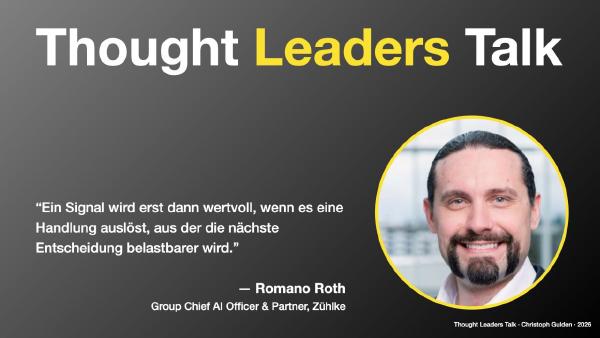
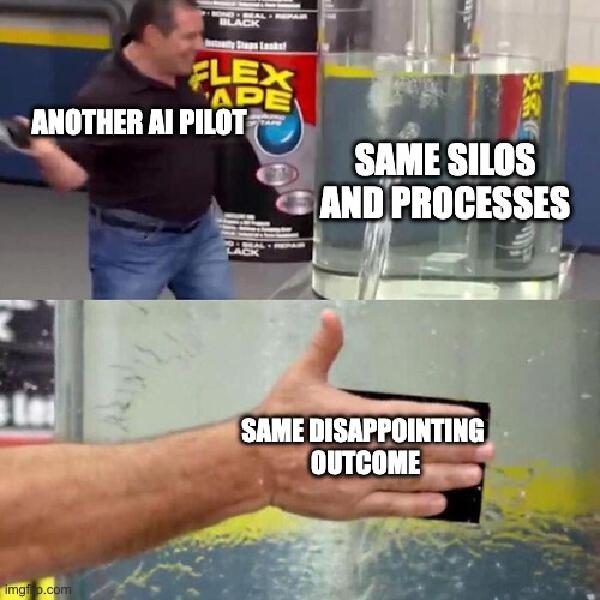
Christoph Gulden invited me onto his Thought Leaders Talk. Christoph reviews investment decisions for a living, I guide companies through technology waves. What came out of it is an argument about the 90 percent of AI pilots that never reach production, and what that means for the next investment decision. At one point Christoph contradicts me openly, and he is right to. The dialogue below is the one we worked out together. The original appeared in German on LinkedIn; this is my English version.
Most innovation does not die at the patent office. It dies long before that, in the way an organization makes decisions, executes, and turns ideas into outcomes.
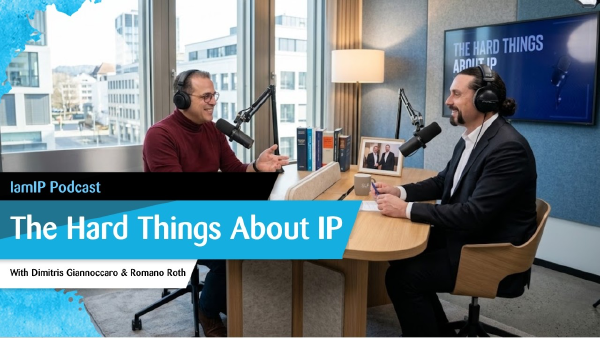
I was invited onto The Hard Things About IP, hosted by Dimitris Giannoccaro and produced by IamIP, for Episode 7. We stepped beyond patents and legal frameworks to the question that sits before every filing: how do organizations actually turn ideas into real results? We talked about AI transformation, organizational design, why so many AI initiatives get stuck in pilot mode, how feedback loops drive decision-making, and why accountability needs to live where the work happens.
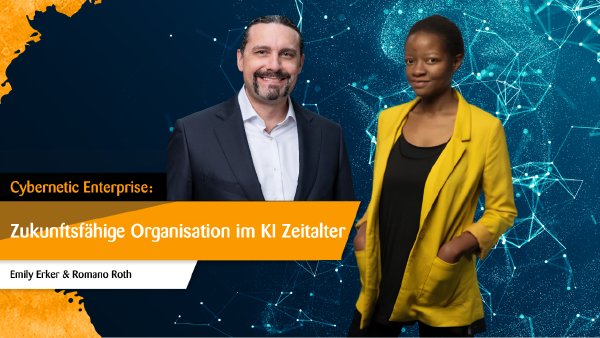
I joined Emily Erker on her show Lady Sunshine Live for a German-language conversation about building future-ready organisations through what I call a cybernetic enterprise: the integration of people, processes, technology, and AI in continuous feedback loops. The full video is embedded below; what follows is my English summary of the key ideas we covered.
To stay competitive, companies need a radical upgrade. The Cybernetic Enterprise transforms organizations into learning systems that adapt faster than their market changes.
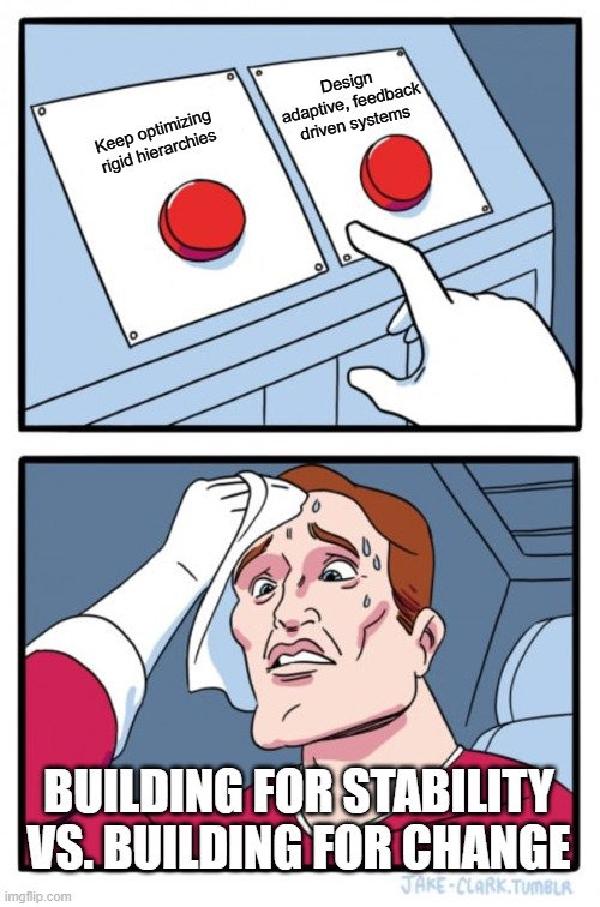
Artificial intelligence (AI) is everywhere. Yet lasting business value often remains elusive. Too many companies still see AI as a tool or quick fix, rather than what it can be: a strategic partner for continuous learning and adaptation. To achieve competitive advantages in a dynamic, data-driven world, organizations must fundamentally restructure themselves as a Cybernetic Enterprise, where AI is firmly anchored as a feedback and learning amplifier. Instead of viewing AI in isolation or as an add-on, it should become an integral part of the organizational operating system. Only when AI transforms data, processes, and customer interactions into actionable learning does a useful tool become a true gamechanger, one that makes companies more agile, capable of learning, and future-oriented.
From Christoph Gulden
Welcome to Thought Leaders Talk, a podcast-style daily newsletter where bold minds meet real questions. In each episode, we talk with a guest who doesn’t just follow ideas, they shape them. No nonsense. No posturing. Just clear, original thinking on what truly matters.
Waterfall and Agile are not just two flavours of project management. They are two fundamentally different ways of dealing with uncertainty. If you understand that, the rest follows.
Waterfall: Linear and Sequential # Waterfall is a linear sequential life cycle model. The team only moves to the next phase if the previous one finished successfully. Requirements first, then design, then implementation, then testing, then deployment, then operation. Each phase has a hand-off and a sign-off. Each phase produces a document that the next phase consumes.
Companies today are squeezed from both sides: deliver more, deliver faster, and do it at lower cost. At the same time, changes to products often take months to reach the customer. DevOps is what closes that gap — and that is why it matters.