Artificial Intelligence has moved from research labs into boardrooms, but too often it is surrounded by hype, inflated promises, and misguided investments. Many organizations rush to “do something with AI” without considering trust, data confidentiality, or the actual problems they are trying to solve.
Where ChatGPT cowboys ride the hype, we need a clear look at AI:
It is a pattern recognition machine. It has no brain. We still need to use our own. It does not replace humans, it complements them. Why we should start thinking in feedback loops.
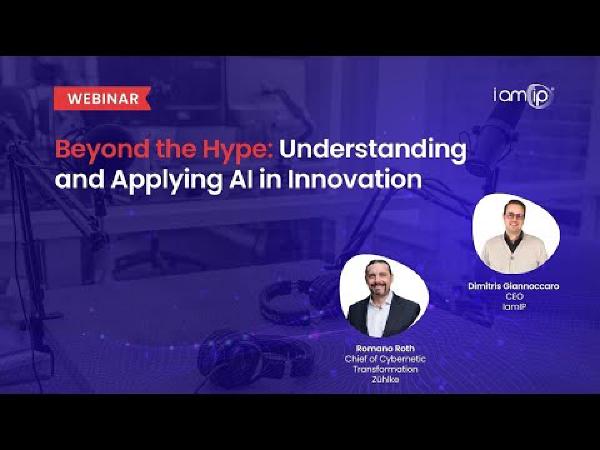
Does AI really solve the problems we have? What does it mean for innovation and intellectual property? Will AI replace patent analysts? In this webinar with IamIP, I cut through the fog of AI hype and share a practical framework for understanding where AI genuinely adds value, and where it falls short.
“AI won’t fix your broken processes. DevOps won’t save your business. But Cybernetics might.”
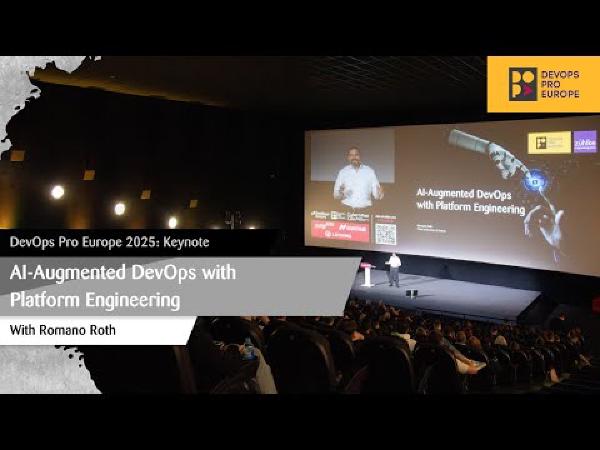
At DevOps Pro Europe 2025 in Vilnius, I had the privilege of delivering the opening keynote to a packed hall of engineers, architects, and leaders navigating the ever-accelerating evolution of enterprise technology. My message was direct:
Many teams have ideas, but they lose time between gut feelings, vague requirements, and lengthy alignment meetings. In this workshop, I demonstrate live how we use Artificial Intelligence to drastically shorten the path from idea to prototype.
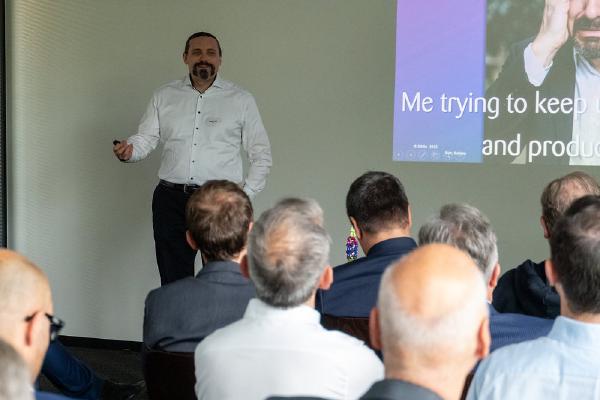
Keynote at the CTO Forum of the Rudolf-Diesel-Medaille. Hosted by Zühlke, Munich
We Are Living in the AI Hype Era # AI is dominating headlines. From natural language interfaces to automated code generation, the pace of development is relentless. But alongside this excitement, we are seeing inflated promises, rushed implementations, and disappointing returns.
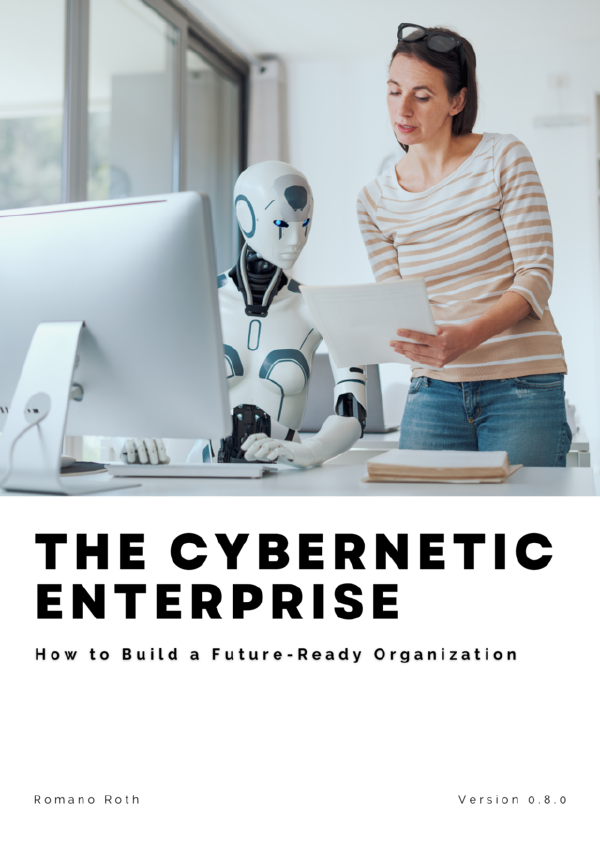
In August 2025 I will release my new book, The Cybernetic Enterprise: How to Build a Future-Ready Organization.
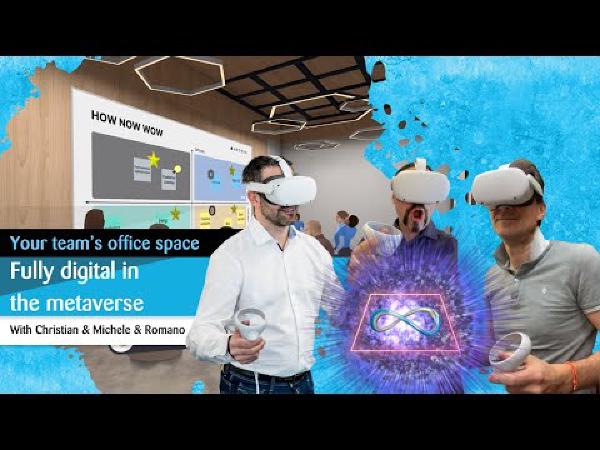
What does the future of the digital office look like? In this session, I explore the possibilities of virtual workspaces together with Christian from the VR platform Arthur. We move through various VR environments, from meeting rooms and workshop spaces to inspiring landscapes on the moon, and discuss what is already usable for businesses today and where the limitations are. The entire conversation took place in Virtual Reality, with VR headsets on our heads. Note: the original session was conducted in German.
As a leading innovation company with 1600 employees in Germany, United Kingdom, Austria, Serbia, Bulgaria, Singapore, Hong Kong, Portugal, Switzerland and Vietnam, Zühlke has always some ongoing and planned strategic initiatives.
One size fits all? Nothing of the sort! Participatory budgeting calls for a tailored solution, one that can constantly evolve and adapt to the given situation. In this article, we describe how we do it at Zühlke.
How can innovation and development budgets be distributed faster, more transparently, and more effectively? Participatory Budgeting offers a collaborative approach to steering investments not project-by-project, but along value streams and strategic priorities.