You know that feeling when your company just feels slow? Always lagging, always crashing, not built for the modern world? What if that is not just a feeling? What if your organization is literally running on an outdated operating system? In this video, we explore the concept of the Cybernetic Enterprise and why it represents a fundamental upgrade for how businesses operate.
The digital landscape today feels less like a steady path and more like white water rapids. Constant change, new technologies, and relentless pressure to adapt. In this deep dive, two hosts explore my book “Cybernetic Enterprise V1.0.0” and unpack why traditional digital transformations keep failing, and what the alternative looks like: a holistic new operating model where adaptability becomes the organization’s default state.
The CTO’s copy of the model. Same idea, seen from the technology organization: architect for simplicity, give teams enough autonomy to be accountable, scale platform engineering so that autonomy does not turn into forty snowflakes, and embed AI with governance that people can follow without asking permission twice a day.
A model that cannot be measured stays an opinion. The Assessment turns the Cybernetic Enterprise into a structured maturity check across four dimensions: people, process, technology and data.
It is built to be run. Questions per dimension, levels that describe observable behavior instead of intent, and a result you can put next to the same unit six months later.
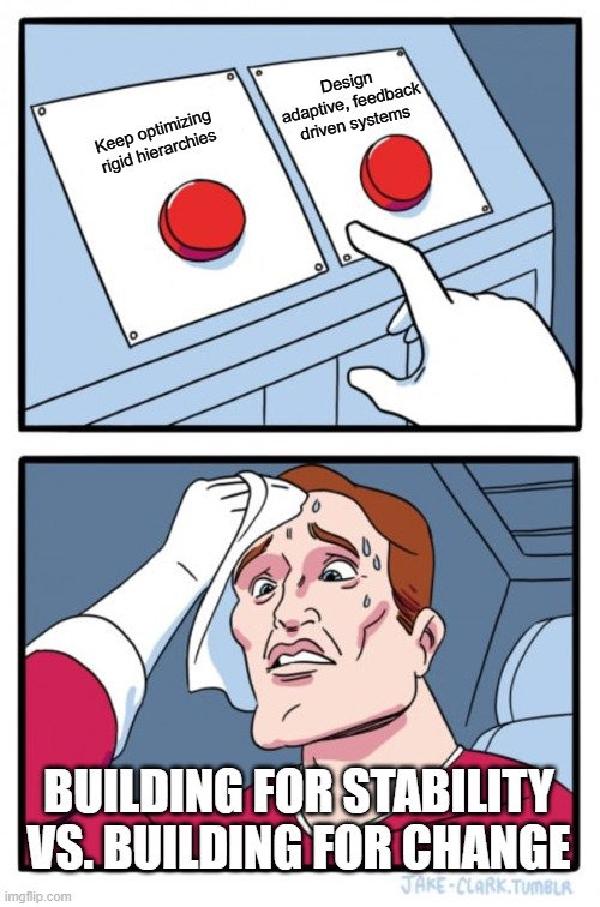
Most organizations still run on an operating system built for stability. Plan the year, cascade the plan, report back up. That holds as long as the ground does.
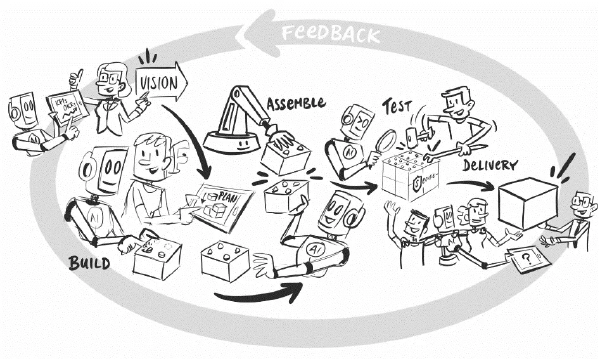
The Cybernetic Enterprise describes what takes its place: an organization that senses what is happening, decides close to the work, and adapts continuously. Feedback loops are the load-bearing structure. AI sits inside those loops instead of being bolted onto the side of the org chart.
From Christoph Gulden
Welcome to Thought Leaders Talk, a podcast-style daily newsletter where bold minds meet real questions. In each episode, we talk with a guest who doesn’t just follow ideas, they shape them. No nonsense. No posturing. Just clear, original thinking on what truly matters.
AI is everywhere, but clarity, strategy, and real impact are often left by the wayside. We live in the era of what Romano Roth has dubbed ‘AI idiots’, an era of flashy demos rather than genuine long-term value. But a smarter way forward is possible. Discover the Cybernetic Enterprise and the business value it offers for industrial organisations.
“AI won’t fix your broken processes. DevOps won’t save your business. But Cybernetics might.”
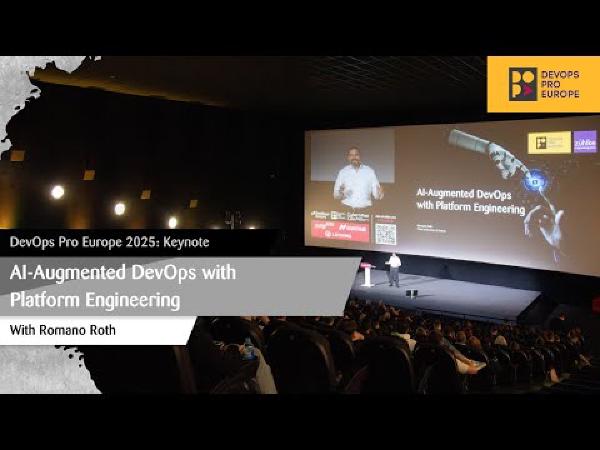
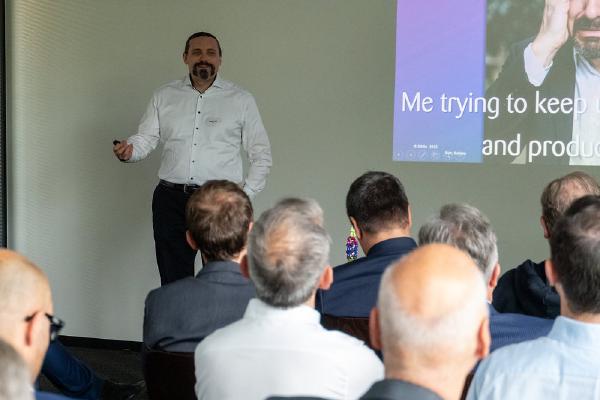
At DevOps Pro Europe 2025 in Vilnius, I had the privilege of delivering the opening keynote to a packed hall of engineers, architects, and leaders navigating the ever-accelerating evolution of enterprise technology. My message was direct:
Keynote at the CTO Forum of the Rudolf-Diesel-Medaille. Hosted by Zühlke, Munich
We Are Living in the AI Hype Era # AI is dominating headlines. From natural language interfaces to automated code generation, the pace of development is relentless. But alongside this excitement, we are seeing inflated promises, rushed implementations, and disappointing returns.
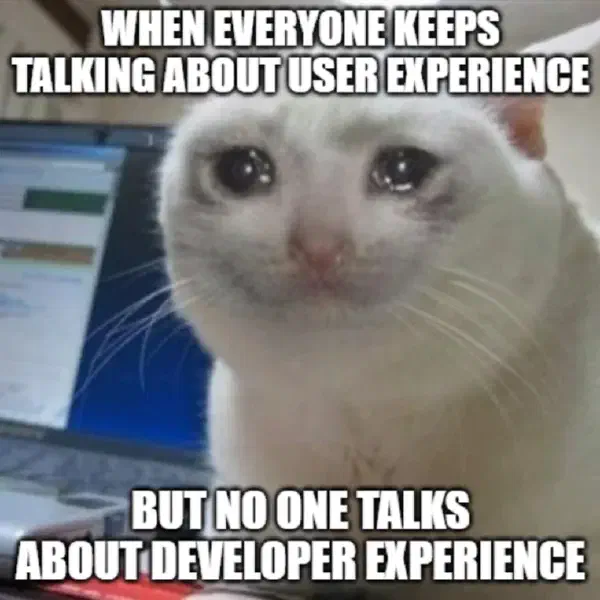
Romano Roth advocates the importance of companies focusing on the developer experience and enabling developers to concentrate on creating business value.
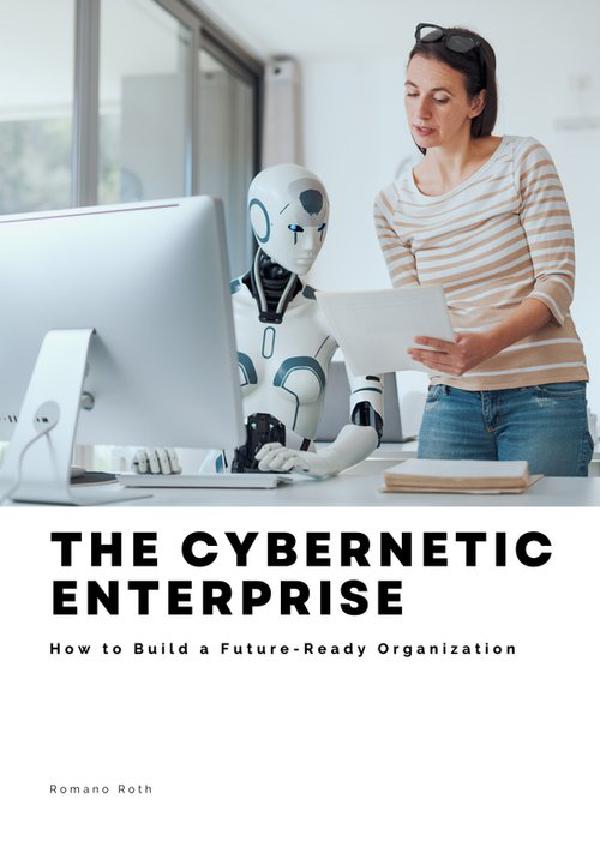
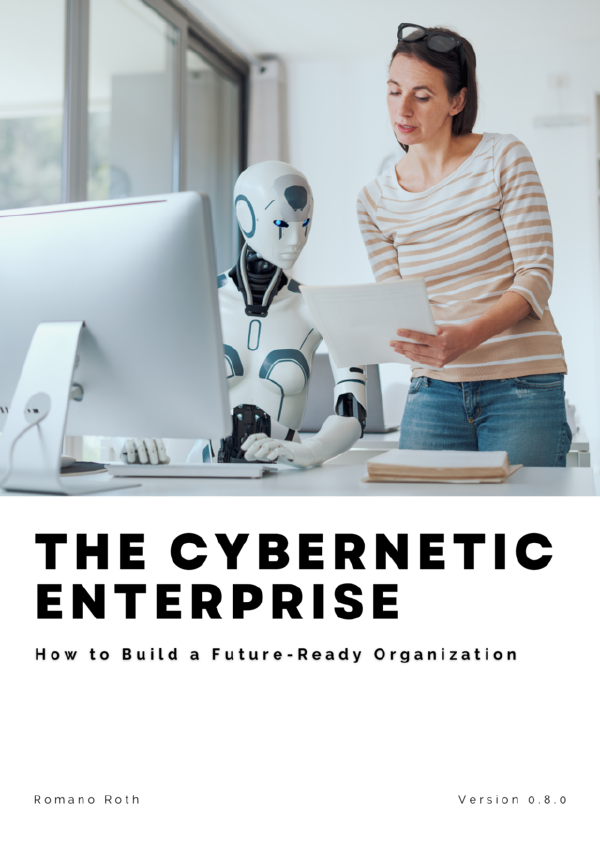
In August 2025 I will release my new book, The Cybernetic Enterprise: How to Build a Future-Ready Organization.