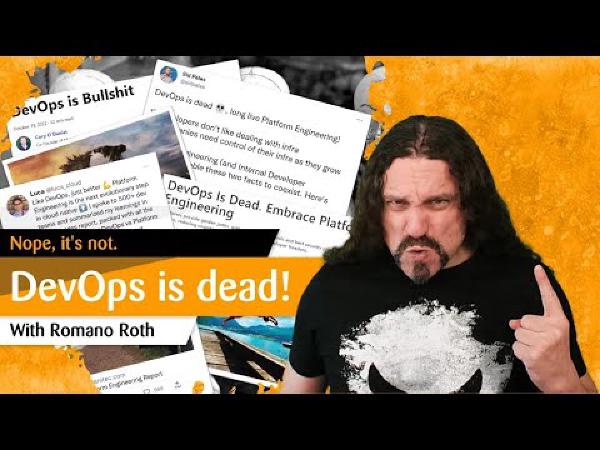
The internet is full of posts claiming that DevOps is dead. “DevOps is bullshit.” “Platform Engineering will replace DevOps.” “SRE is the future.” In this video, I explain why all of these claims are wrong, where they come from, and how DevOps, Platform Engineering, and Site Reliability Engineering actually relate to each other.
How do you make sure your organization is not overloaded with too many projects, too many ideas, and too little focus? And how do you ensure you are building the right thing? This is exactly what epics are for. In this video, I walk through the concept of epics, show you a concrete example, and explain why epics are far more effective than traditional projects.
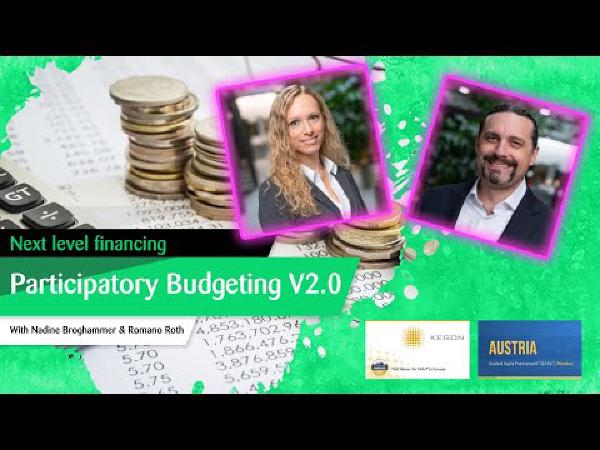
Together with my colleague Nadine, I presented an updated version of our participatory budgeting approach. We had already shared the first version at a previous event, but since then we made significant changes that we wanted to share. A quick disclaimer: we did not invent participatory budgeting. We built on the materials from the SAFe (Scaled Agile Framework), so you will find the copyright on the relevant slides. If you want to introduce participatory budgeting in your own organization, we are happy to share our experience and always reference the original SAFe materials.
The first way to introduce DevOps is to optimise the value flow from development, through operations, all the way to the customer. This is the First Way in Gene Kim’s Three Ways framework — and it is where every transformation should start.
A value stream is the path that value takes from the first idea all the way into production. It is the sum of every step, handover, and wait in between. In this video, I walk through a simple seven-step approach for identifying a value stream, measuring how it really performs, designing a target state, and then improving it step by step. The numbers in the example are simplified on purpose, so the method shines through more clearly than any single result.
If you ask a development team where value is created, you will hear a dozen different answers. In the planning workshop. In the sprint. At the demo. At deployment. They are all wrong — and getting this wrong is what makes most DevOps business cases fall apart on contact with the CFO.
In a world overflowing with tasks, to-do lists, and competing priorities, staying productive and focused has never been more challenging. Personal Kanban is a lightweight, visual workflow management method rooted in the Toyota Production System and adapted for individual use by Jim Benson and Tonianne DeMaria Barry.