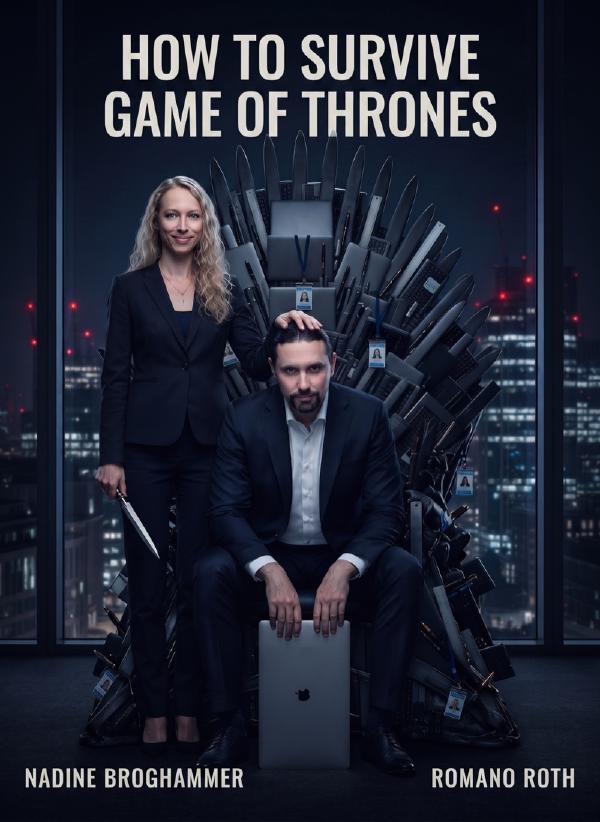
Written with Nadine Broghammer.
Next to the org chart every organization runs a second structure: who has influence, who owes whom, which disagreement is about the work and which one is about position. Most people learn to read it the slow way, by losing a few rounds first.
Welcome to Edition 7 of The CAIO.
I have argued for years that the model is the small part and the discipline around it is the work. It is a claim that is easy to nod along to and easy to dismiss as a consultant’s line. In July it stopped being a line. A research group tested it on 5,000 codebases and put a number on it. A systems engineer took apart a viral “37,000 lines a day” boast and showed what that volume actually costs. Both posts reached far beyond my usual audience, one of them among the highest reach I have had all year. The audience is not tired of the argument. It wants the evidence.
Welcome to Edition 6 of The CAIO.
June had one lesson that kept landing on a desk where it had rarely landed before: finance. For two years we treated AI tokens as free and competed on how many we could burn. In June the bill arrived. The price of each request had fallen, which is exactly why usage exploded and the total cost climbed past what anyone had budgeted. AI cost control became a CFO topic as fast as it became ours.
Welcome to the first issue of The CAIO. The newsletter you knew as The Cybernetic CxO has a new name, and the reason is on the cover of this issue. From 1 May, I am Group Chief AI Officer at Zühlke. The job is the same work I have been doing for years: getting AI past the pilot phase through transformation across organisation, process, and technology, not by tuning the model alone. The newsletter title now says that out loud.
You know that feeling when your company just feels slow? Always lagging, always crashing, not built for the modern world? What if that is not just a feeling? What if your organization is literally running on an outdated operating system? In this video, we explore the concept of the Cybernetic Enterprise and why it represents a fundamental upgrade for how businesses operate.
The digital landscape today feels less like a steady path and more like white water rapids. Constant change, new technologies, and relentless pressure to adapt. In this deep dive, two hosts explore my book “Cybernetic Enterprise V1.0.0” and unpack why traditional digital transformations keep failing, and what the alternative looks like: a holistic new operating model where adaptability becomes the organization’s default state.
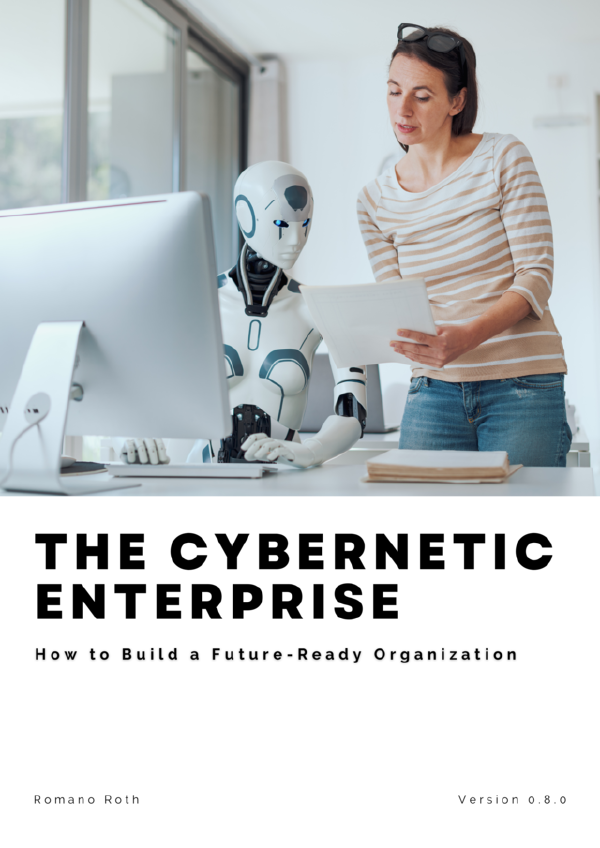
In August 2025 I will release my new book, The Cybernetic Enterprise: How to Build a Future-Ready Organization.