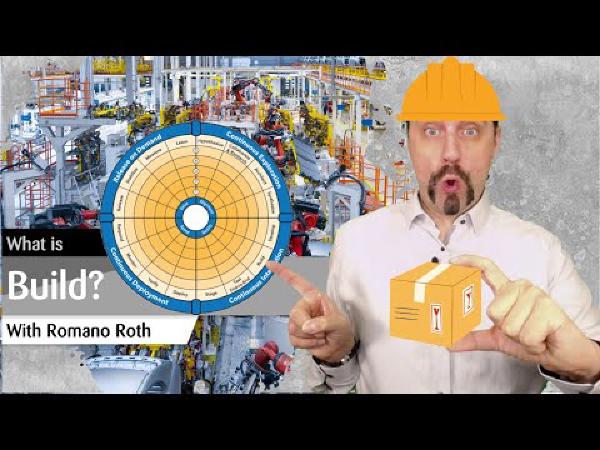
Build is the step in the SAFe for DevOps Health Radar where committed code is continuously integrated, tested, and turned into a deployable artifact with built-in quality. In this video, I walk through what the Build step involves, why continuous integration matters, and how techniques like gated commits and static security analysis help you maintain quality at speed.
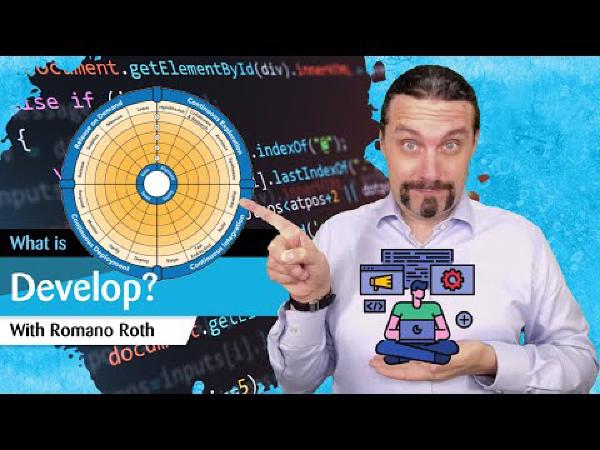
In the SAFe DevOps Health Radar, Develop is where we take the features from continuous exploration and turn them into working code. We split features into user stories, implement them with a strong focus on built-in quality, and commit everything to version control. In this video, I walk through the Develop step and explain why quality practices like TDD and BDD are so important.
In this article, I explain what Continuous Exploration is within the SAFe DevOps Health Radar and why it is essential for building the right thing in the right way. Please note that everything discussed here is under the license of Scaled Agile, and that the Scaled Agile Framework is a framework to be used as a toolbox. Take out of this toolbox what fits your needs and what solves your problems.
In this video, I explain what Synthesize is and how it works within the SAFe DevOps Health Radar. Synthesize is the fourth and final step of Continuous Exploration, where we combine the outputs of Hypothesize, Collaborate and Research, and Architect into a prioritized backlog with a clear vision and roadmap.
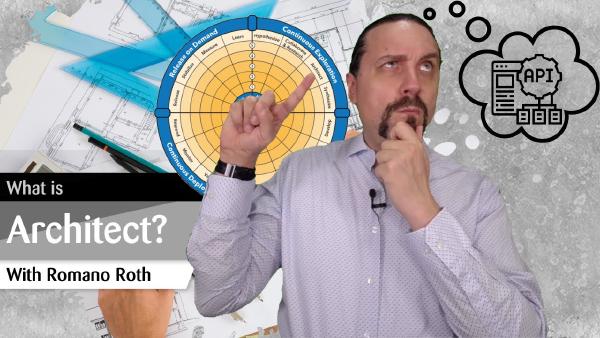
Architect is the third step in the SAFe DevOps Health Radar, part of Continuous Exploration. In this video, I explain how we define the minimal architecture needed to prove a hypothesis and enable continuous delivery of value to customers.
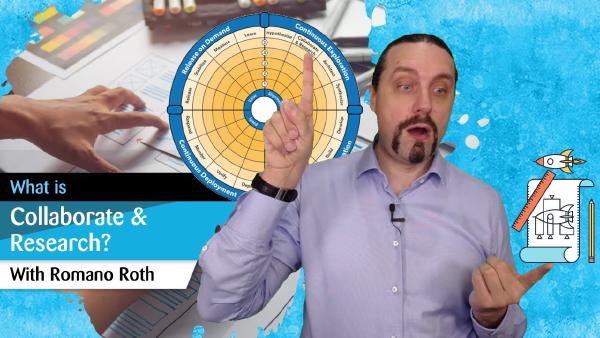
Collaborate & Research is the second step in the SAFe DevOps Health Radar. In this video, I explain how teams collaborate internally and conduct market research to define a minimal feature set that validates the hypothesis from the previous step.
In this video, I take a deep dive into Hypothesize, the first process step of the SAFe DevOps Health Radar and the continuous delivery pipeline. The core question is simple: how do you know you are building the right thing?
In this meetup talk, Nadine Broghammer and I share our experience coaching a portfolio team on participatory budgeting based on the SAFe framework. We explain the problem with traditional top-down budget allocation and show how participatory budgeting creates transparency, fosters entrepreneurial thinking, and leads to better investment decisions.
In this video, I explain what the SAFe for DevOps training is all about. Unlike traditional classroom courses, this training is a hands-on workshop where real teams work on their own value streams and leave with a concrete, prioritized action plan.