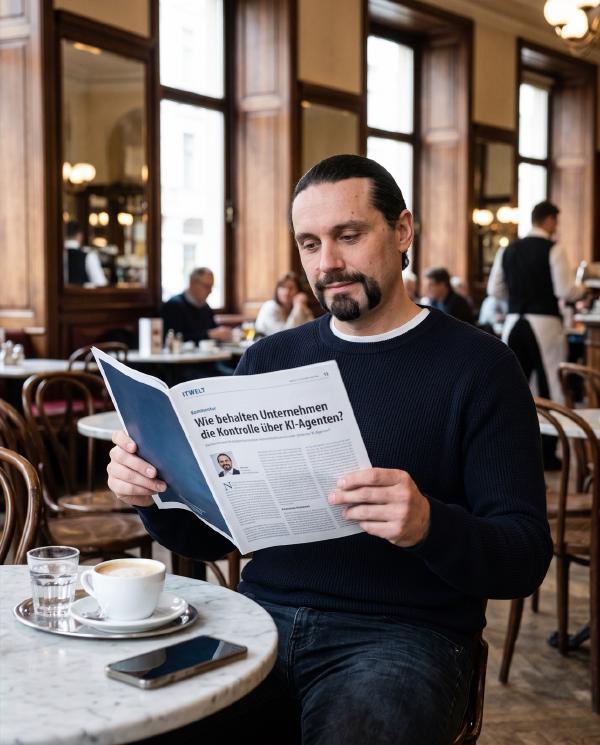
AI software now acts faster than a human can approve it. More and more companies and users are therefore asking: can AI be controlled at all?
A growing number of studies show that the question is a fair one. According to Gartner, more than 40 percent of agentic AI projects will be cancelled by the end of 2027, because of rising costs, unclear value or inadequate risk controls. In the same forecast, Gartner expects at least 15 percent of day-to-day work decisions to be made autonomously by AI agents by 2028. A global survey of executives by the Capgemini Research Institute points the same way: trust in fully autonomous agents fell from 43 to 27 percent within one year, while usage went up. The more experience companies gain with AI agents, the more clearly they see their limits and risks.
Welcome back to The Cybernetic CxO, a monthly newsletter for CTOs, CIOs, and digital transformation leaders navigating the AI era.
April delivered the most-read post in this newsletter’s history: a Swiss medical professional vibe-coded a patient management system, put it on the open internet, and an engineer needed thirty minutes to get full read and write access to every patient record. The post travelled because the story is concrete, the legal damage is real, and the lesson applies to almost every organization I talk to.
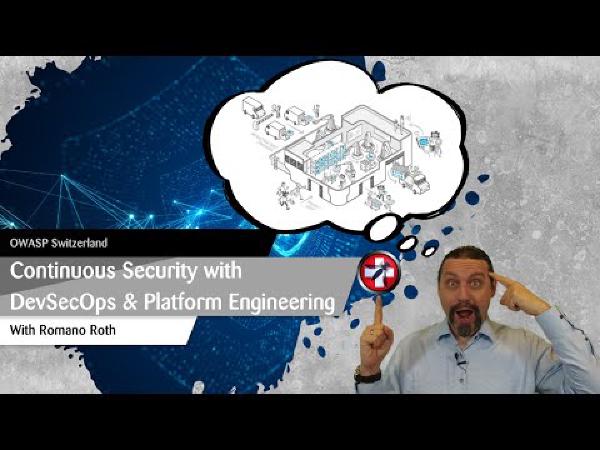
Imagine a world where security is seamlessly integrated into your development workflow from ideation until production, so that development teams can completely focus on feature development while building secure applications. That is exactly what I presented at the OWASP Chapter Meetup Switzerland. In this talk, I show how platform engineering transforms modern application security and makes DevSecOps a reality at scale.
Security is no longer an afterthought in modern software development. It must be integrated seamlessly into every stage of the development lifecycle. This talk delves into the transformative power of combining DevSecOps principles with Platform Engineering to address the challenges of ensuring continuous security in a fast-paced, agile environment.
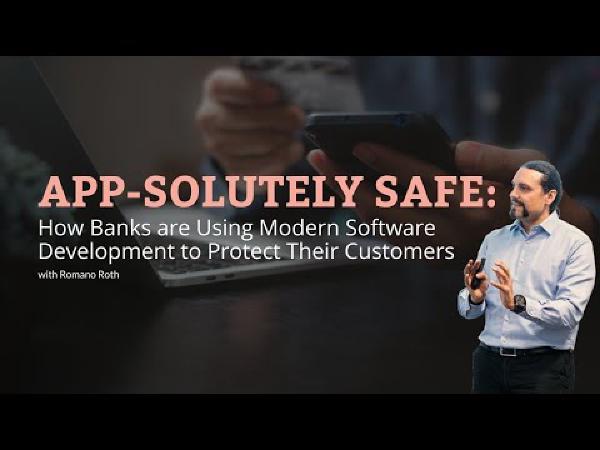
Banking software must be secure, reliable, and trustworthy. But many banks still rely on traditional development methods that are slow, risky, and inefficient. In this video, I explore three modern software development practices that are fundamentally changing how banks build and deliver software: continuous deployment, test-driven development, and feature flags.
Architect is the third step in the SAFe DevOps Health Radar, part of Continuous Exploration. In this video, I explain how we define the minimal architecture needed to prove a hypothesis and enable continuous delivery of value to customers.