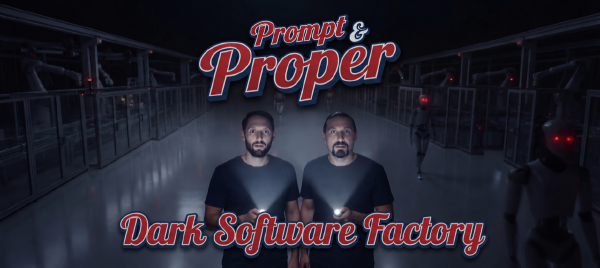
A dark factory is a factory where you can switch the lights off, because nobody is standing on the floor anymore. In China, phones are already built that way. In episode 8 of Prompt & Proper, Steffen Ochsenreither from Swiss Post and I take that concept and put it on software development: goal in, finished software out, no human in between. The episode is in German, and this post captures the core of the conversation.
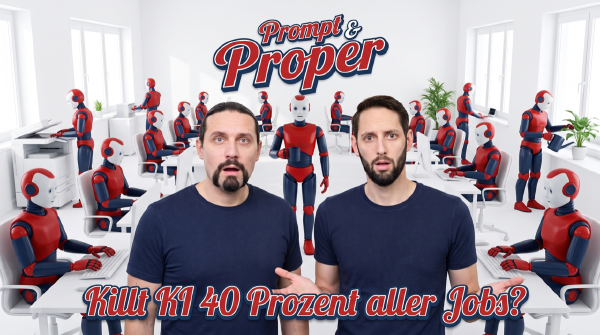
The CEOs of the big AI companies never tire of claiming that AI will wipe out up to 40 percent of all jobs. The headline works. School leavers ask Steffen whether a tech degree is still worth starting, and a German university has gone as far as advising against studying computer science.
On LinkedIn I keep reading that agentic coding makes teams 10x more productive. It is good marketing. It has little to do with what we measure in real projects.
In episode 2 of Prompt & Proper, Steffen Ochsenreither from Swiss Post and I take that number apart. And we talk about the other side of the same coin, the one that gets far less airtime: what tokens actually cost, and how solid the economics behind them really are. The episode is in German, and this post captures the core of the conversation.
Everybody is suddenly saying “agentic platform.” Almost nobody can define one. That is exactly what we set out to fix.
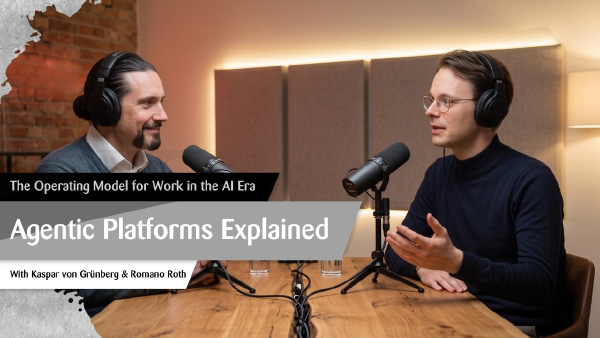
I invited Kaspar von Grünberg onto the channel. He has spent years shaping platforms, put the internal developer platform, the IDP, on the map with Humanitec, and built PlatformCon into the largest platform engineering community. He is now building Canyon, a control plane for enterprise AI, and his book Thinking in Platforms is on the way. By the end of this conversation you will know what an agentic platform actually is, why it matters, what it takes to build one, and how to start.
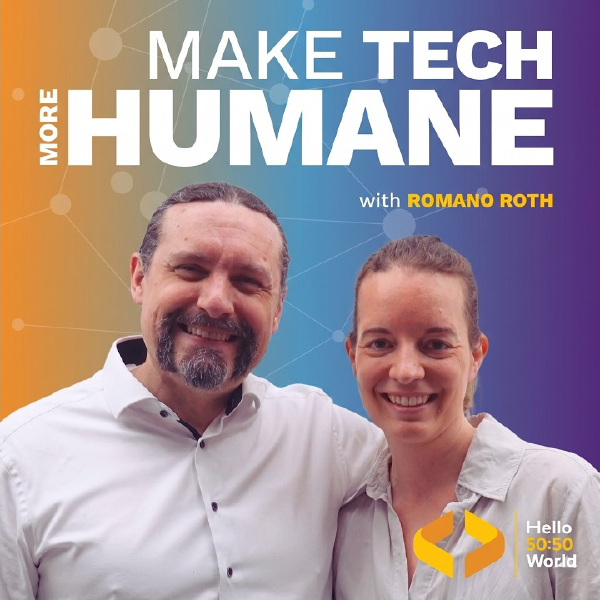
I joined Lisa Stähli on the Hello 50:50 World podcast, the show with the mission to make tech more humane, for a conversation about what actually happens when software teams add AI to the way they work. We talked about how AI is reshaping software engineering, DevOps and agile ways of working, where the real bottlenecks sit, the human cost of moving faster, and why the organisation you build around the technology is what decides whether AI helps or hurts.
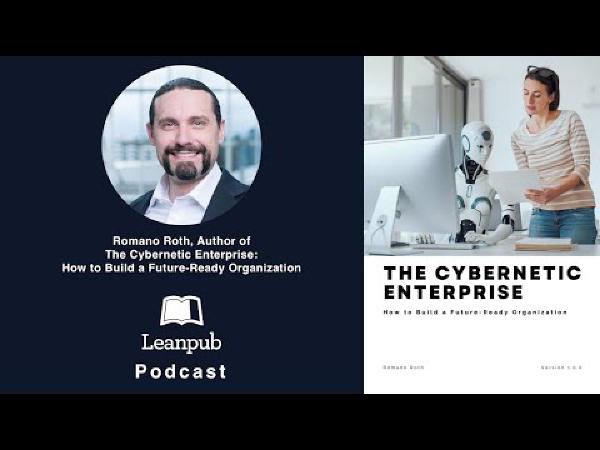
In this LeanPub podcast episode, host Len Epp and I have a deep conversation about my book “The Cybernetic Enterprise: How to Build a Future-Ready Organization.” We cover everything from my career journey at Zühlke, to why the future is cybernetic rather than just AI, to the practical steps of enterprise transformation. If you have ever wondered what it takes to build an organization that can continuously adapt, this conversation covers the essential ideas.
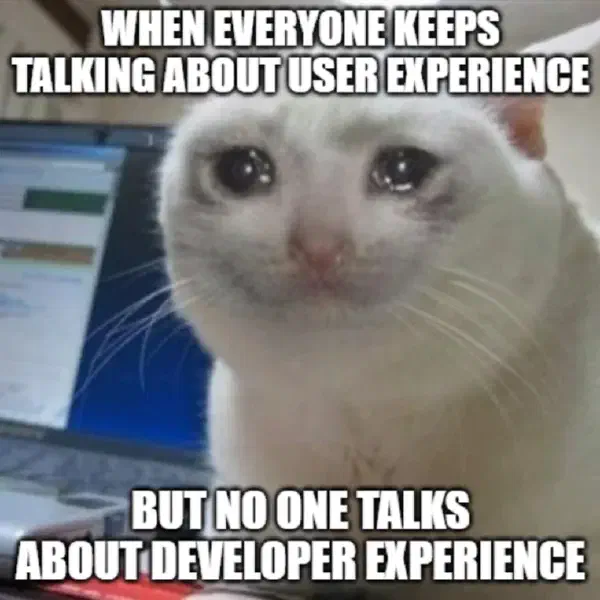
Romano Roth advocates the importance of companies focusing on the developer experience and enabling developers to concentrate on creating business value.
How can organizations reduce costs while still delivering real value to their customers? This is a question I get asked frequently, and one that a client recently brought to me when they wanted a keynote for their solution architects. In this talk, I walk through the key principles and practical techniques for continuously delivering value while cutting unnecessary spending.
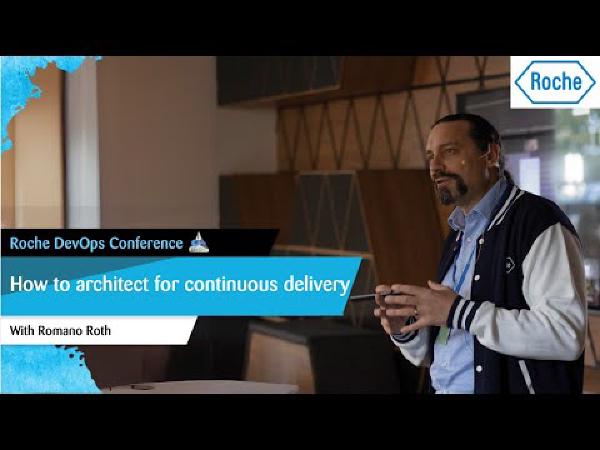
In September 2024, I had the privilege of delivering a keynote at the Roche DevOps Conference in Poland. The topic: how to architect for continuous delivery. This is a subject close to my heart, because after more than two decades of working in software delivery, I keep seeing the same fundamental patterns that separate high-performing organizations from those that struggle.
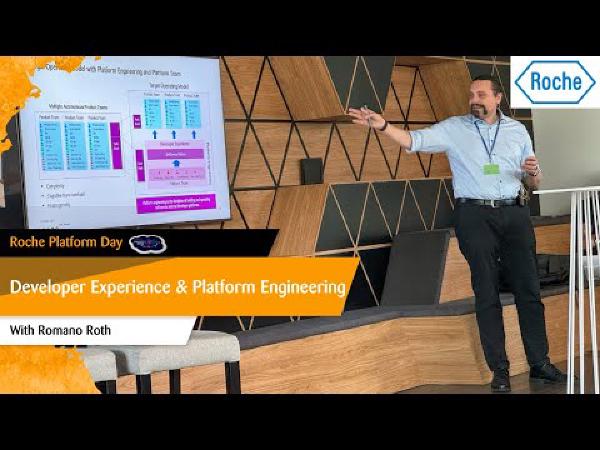
Is DevOps dead? That claim keeps appearing on the internet, with people arguing that platform engineering is taking over. In this talk, which I gave at the Developer Experience Conference at Roche in Poznan, Poland, I explain why DevOps is absolutely not dead and why platform engineering is the key to making it actually work at scale.
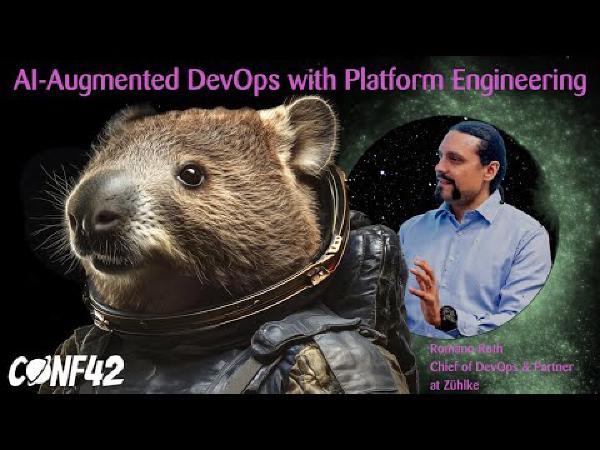
When the CEO or CIO comes to you and says “We need AI in our development process,” the right response is not to start implementing immediately. The right response is to ask: why? In this talk at Conf42 Platform Engineering, I walk through the complete journey from identifying value stream bottlenecks to implementing AI-augmented DevOps on a real platform, including a live demo.
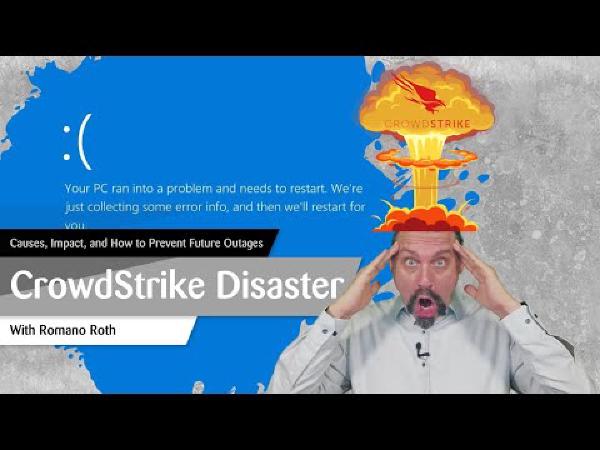
On July 19, 2024, the world witnessed one of the largest IT outages in history. A sensor configuration update from CrowdStrike, pushed to all Windows systems at 4:09 UTC, caused 8.5 million Microsoft Windows PCs to crash worldwide. Airlines, banks, hospitals, government agencies, stock exchanges, and countless other organizations were brought to a standstill. In this video, I break down what happened and, more importantly, what you can do to prevent something like this from happening in your organization.