Most organizations still run on an operating system built for stability. Plan the year, cascade the plan, report back up. That holds as long as the ground does.
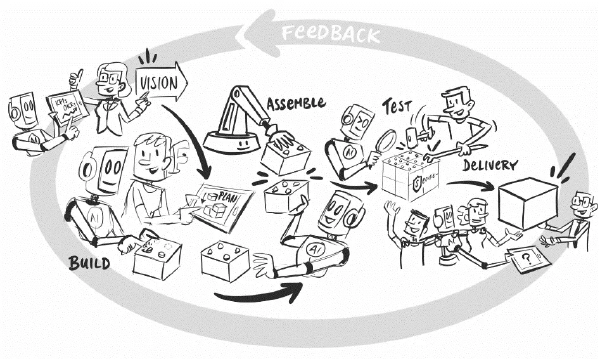
The Cybernetic Enterprise describes what takes its place: an organization that senses what is happening, decides close to the work, and adapts continuously. Feedback loops are the load-bearing structure. AI sits inside those loops instead of being bolted onto the side of the org chart.
AI is everywhere, but clarity, strategy, and real impact are often left by the wayside. We live in the era of what Romano Roth has dubbed ‘AI idiots’, an era of flashy demos rather than genuine long-term value. But a smarter way forward is possible. Discover the Cybernetic Enterprise and the business value it offers for industrial organisations.
“AI won’t fix your broken processes. DevOps won’t save your business. But Cybernetics might.”
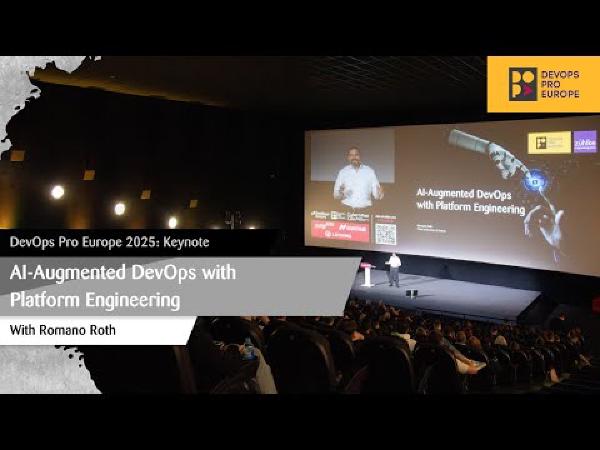
At DevOps Pro Europe 2025 in Vilnius, I had the privilege of delivering the opening keynote to a packed hall of engineers, architects, and leaders navigating the ever-accelerating evolution of enterprise technology. My message was direct:
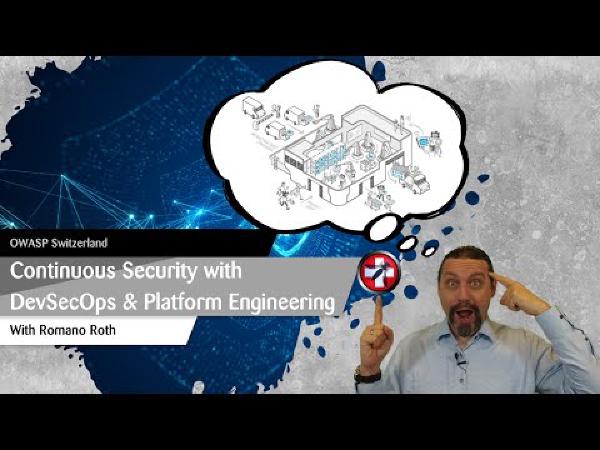
Imagine a world where security is seamlessly integrated into your development workflow from ideation until production, so that development teams can completely focus on feature development while building secure applications. That is exactly what I presented at the OWASP Chapter Meetup Switzerland. In this talk, I show how platform engineering transforms modern application security and makes DevSecOps a reality at scale.
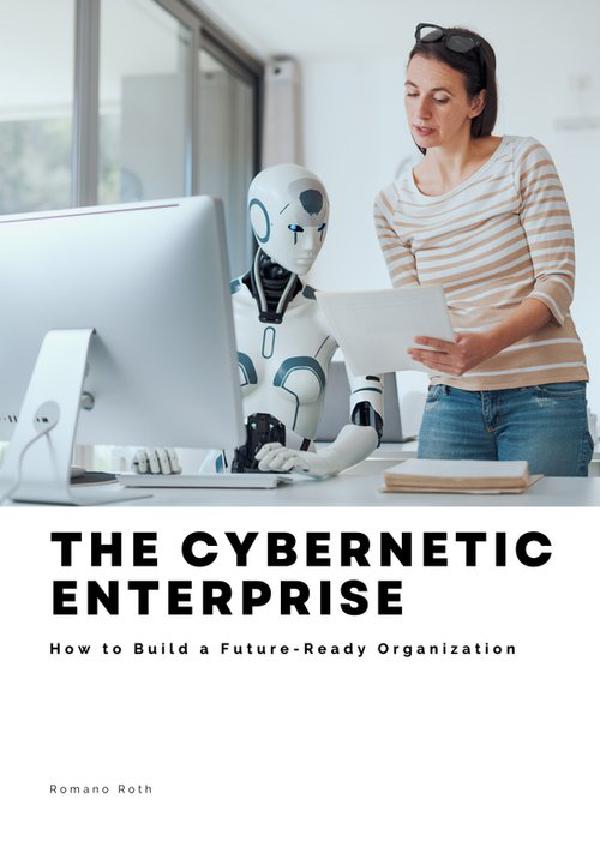
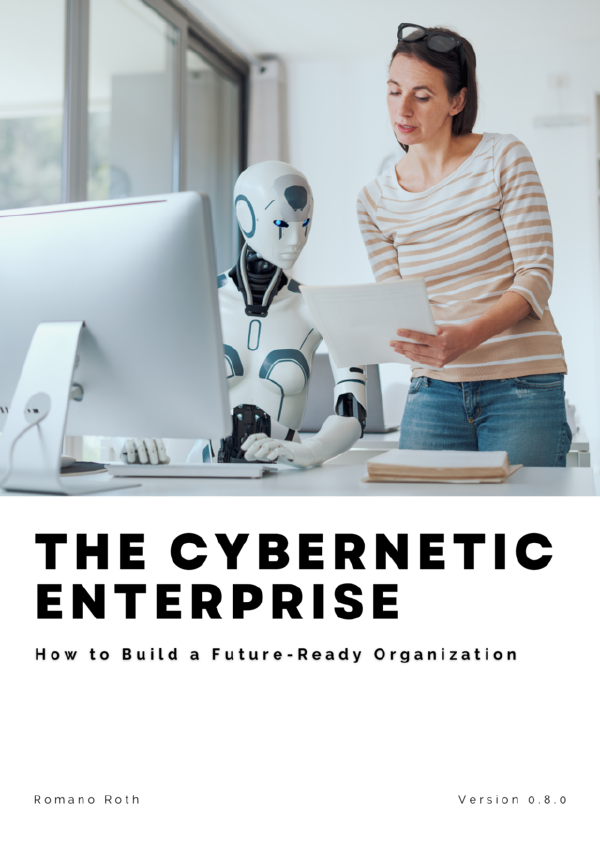
In August 2025 I will release my new book, The Cybernetic Enterprise: How to Build a Future-Ready Organization.
In this episode of the Ship It podcast, Gerhard Lazu and I have a deep conversation about what good DevOps looks like in practice. We talk about the real challenges companies face during transformations, how to deal with middle management resistance, technology choices, and where the industry is heading with AIOps and hyper automation.
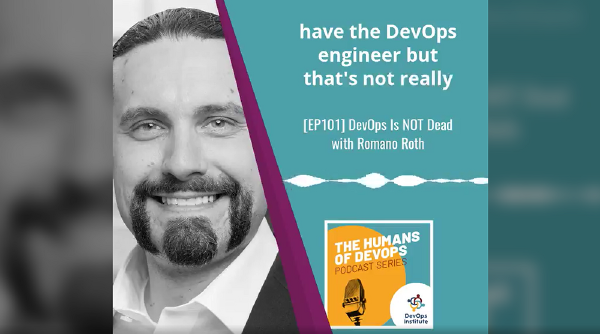
I joined Eveline Oehrlich, Chief Research Officer at the DevOps Institute, on the Humans of DevOps podcast for a conversation about whether DevOps is dead. Spoiler: it is not. But the reality in most companies is that we have not progressed as far as many people think. In this episode, we talk about what a Chief of DevOps actually does, why companies still struggle with walls of confusion, how platform engineering enables scaling, and my prediction about digital factories.
In this episode of the DevTalk podcast, my colleague Kerry Lothrop and I have a conversation about the state of DevOps. We have known each other for many years at Zühlke, and Kerry wanted to pick my brain on what DevOps really means today, where companies struggle, and where the industry is heading.
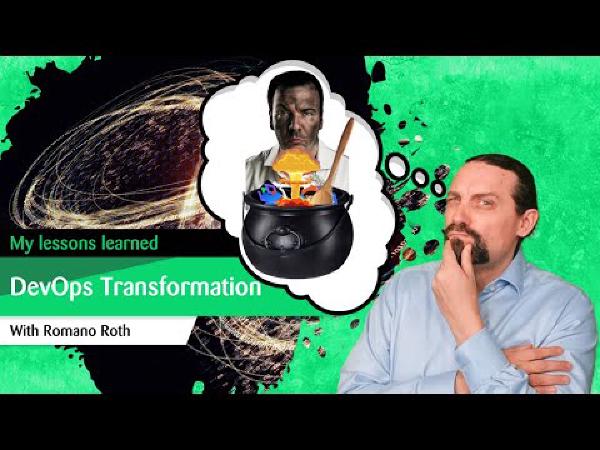
DevOps transformations look simple on paper. Take an existing environment, add the Spotify model, throw in SAFe, sprinkle some Team Topologies, add DevOps and platform engineering, stir well, add as many tools as possible, and stir again. What happens? It crashes. And people say “DevOps is bullshit.”
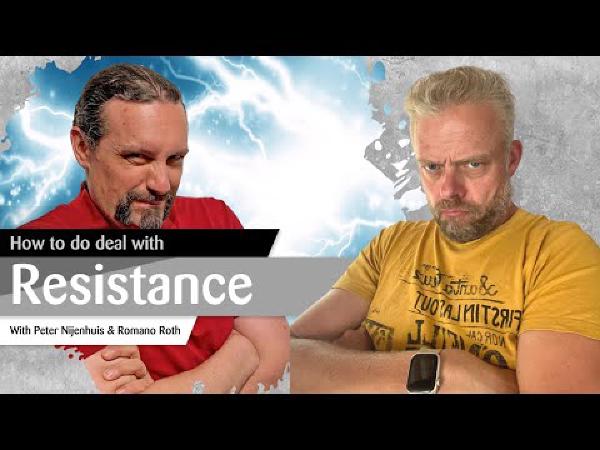
In this podcast episode, I have a conversation with Peyton Einhaus about one of the most challenging aspects of any transformation: dealing with resistance. Whether you are running an agile transformation, a DevOps transformation, or any organizational change, resistance is always present. The question is how you handle it effectively.
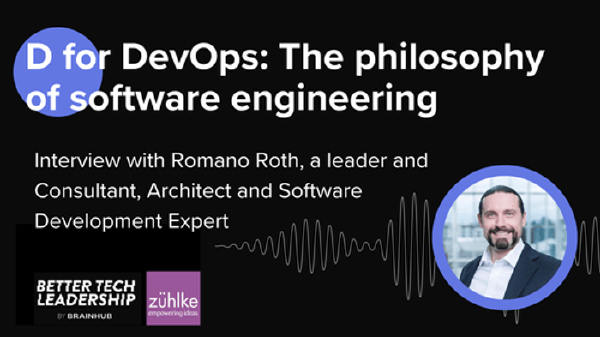
I had the honor of being interviewed by 📈 Matt Warcholinski 💾 from Brainhub in his 𝐏𝐨𝐝𝐜𝐚𝐬𝐭🎙️ on 𝐁𝐞𝐭𝐭𝐞𝐫 𝐓𝐞𝐜𝐡 𝐋𝐞𝐚𝐝𝐞𝐫𝐬𝐡𝐢𝐩.
Join Eveline Oehrlich and Romano Roth, to discuss whether DevOps is Dead.