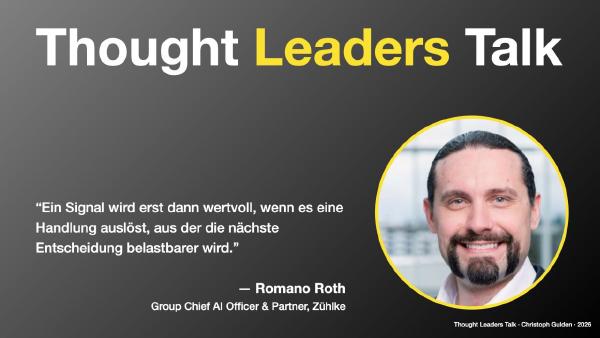
Christoph Gulden invited me onto his Thought Leaders Talk. Christoph reviews investment decisions for a living, I guide companies through technology waves. What came out of it is an argument about the 90 percent of AI pilots that never reach production, and what that means for the next investment decision. At one point Christoph contradicts me openly, and he is right to. The dialogue below is the one we worked out together. The original appeared in German on LinkedIn; this is my English version.
I joined Lisa Stähli on the Hello 50:50 World podcast, the show with the mission to make tech more humane, for a conversation about what actually happens when software teams add AI to the way they work. We talked about how AI is reshaping software engineering, DevOps and agile ways of working, where the real bottlenecks sit, the human cost of moving faster, and why the organisation you build around the technology is what decides whether AI helps or hurts.
I joined the adorsys Tapas & Pretzels podcast for a conversation with co-hosts Tim and David, fellow Chief AI Officer, about the question every leader is now asking: how do you move AI from isolated experiments to a company-wide capability? We talked about token economics, what the Chief AI Officer role actually demands, why capability beats tools, the trust gap that governance exists to close, and why most companies are speeding up broken processes instead of rethinking them.
I joined Emily Erker on her show Lady Sunshine Live for a German-language conversation about building future-ready organisations through what I call a cybernetic enterprise: the integration of people, processes, technology, and AI in continuous feedback loops. The full video is embedded below; what follows is my English summary of the key ideas we covered.
Most companies that work in an agile way today while simultaneously trying to implement AI will not survive the next decade, in my opinion. The reason: their operating system is too old. The future is not agile. The future is not AI either. The future is cybernetic.
How can we reduce costs, develop faster, and become more efficient? In this presentation, I walk through the core concepts of the Cybernetic Enterprise and show how organizations can continuously deliver value by combining value stream analysis, platform engineering, and AI.
What does “continuous value flow through platform engineering” actually mean? In this Zühlke Commerce Talk, I sat down with my colleague Dennis Kolmitz, Engagement Manager at Zühlke responsible for our commerce customers, to discuss exactly that. We explored why platform engineering is becoming essential for commerce organizations that want to innovate faster, reduce friction, and keep their best talent.
I recently joined Ben on the We Chat Tech podcast for a wide-ranging conversation about DevOps, leadership, career growth, and the future of AI in software engineering. Over 23 years at Zühlke, I have worked across industries helping organizations transform how they deliver software. In this episode, we covered everything from the fundamentals of DevOps to the skills that future engineers will need.
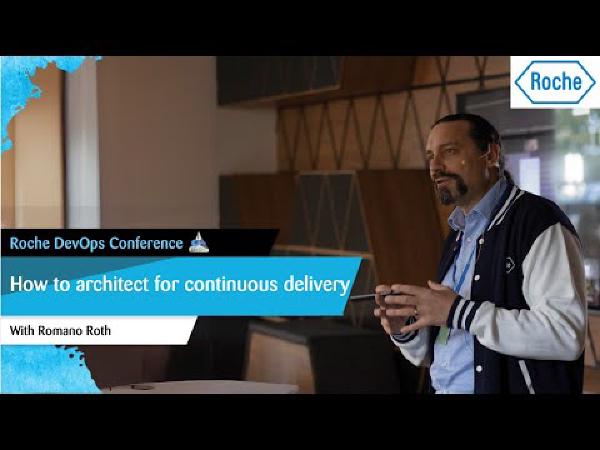
In September 2024, I had the privilege of delivering a keynote at the Roche DevOps Conference in Poland. The topic: how to architect for continuous delivery. This is a subject close to my heart, because after more than two decades of working in software delivery, I keep seeing the same fundamental patterns that separate high-performing organizations from those that struggle.
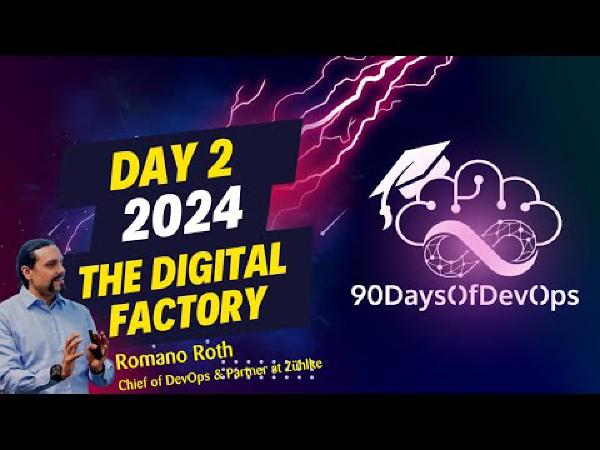
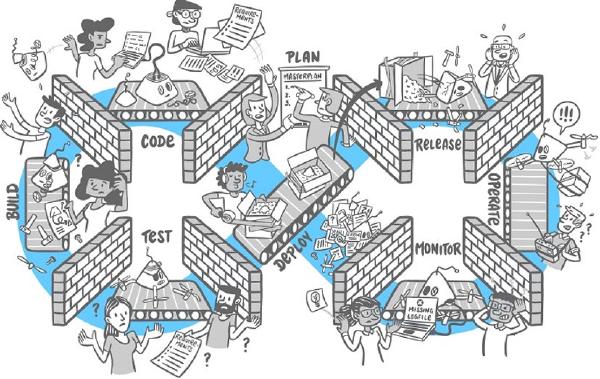
For the 90 Days of DevOps community, I presented the concept of the digital factory. After years of doing DevOps transformations across industries at Zühlke, I have developed a holistic approach to scaling DevOps that goes beyond just tools and pipelines. In this talk, I explain why we still struggle with walls of confusion, how platform engineering enables teams to do DevOps at scale, and how digital factories bring everything together.
Every DevOps enthusiast faces the same challenge at some point: you know DevOps works, your team knows it works, but the decision makers want proof. They want a business case. In this talk at ContainerDays 2019, I break down a practical framework for convincing CIOs and managers to fund your DevOps transformation.
By Pia Wiedermayer and Romano Roth
In many organizations and projects, software development involves numerous employees and machines performing tasks separately. This approach results in problems. Here’s how going back to the original way of developing software and building an organic digital factory can help.